
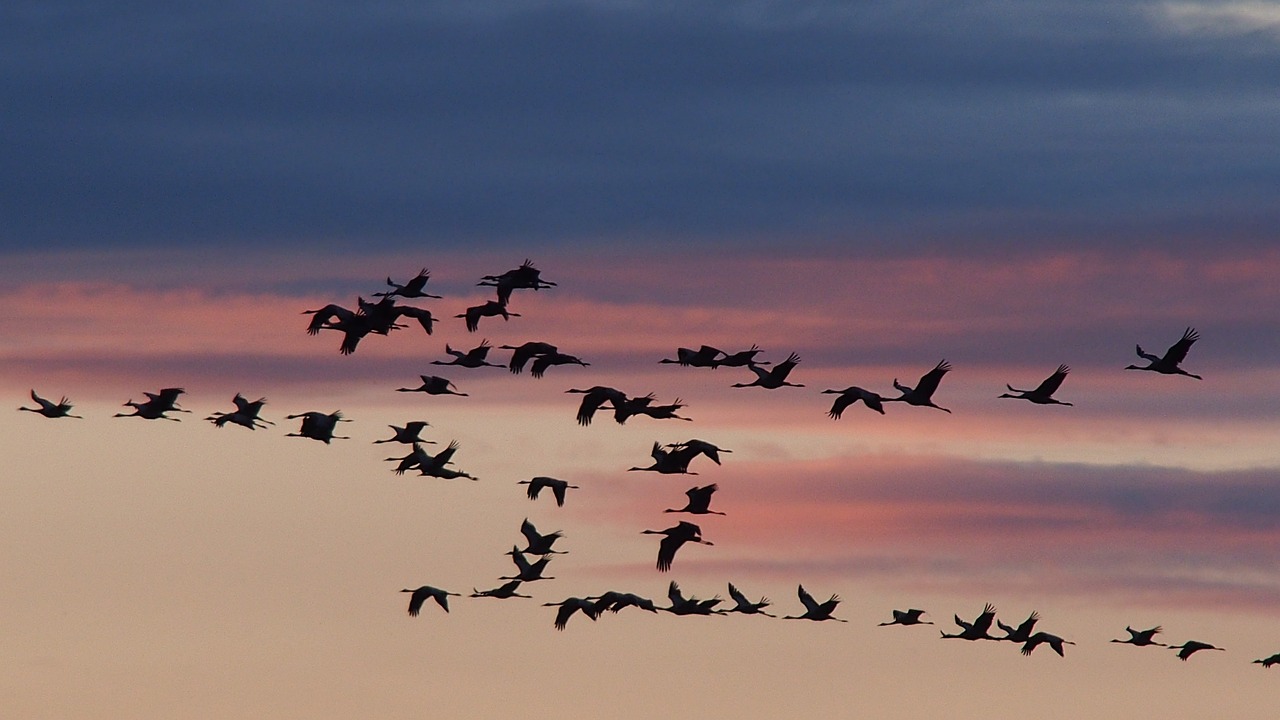
Which is the fastest bird in the world? This question fascinates not only ornithologists but also nature lovers around the world. Birds are known for their ability to cover great distances, but some of them stand out for breathtaking speed. Whether it is the dive of the peregrine falcon or the lightning-fast horizontal flight of the alpine swift, speed is a key ability that allows these winged champions to survive and thrive. In this article, we look at the ten fastest birds in the world, which push the limits of what is possible and prove that nature has its own form of aerodynamics.
Table of contents
1. Peregrine falcon (Falco peregrinus)
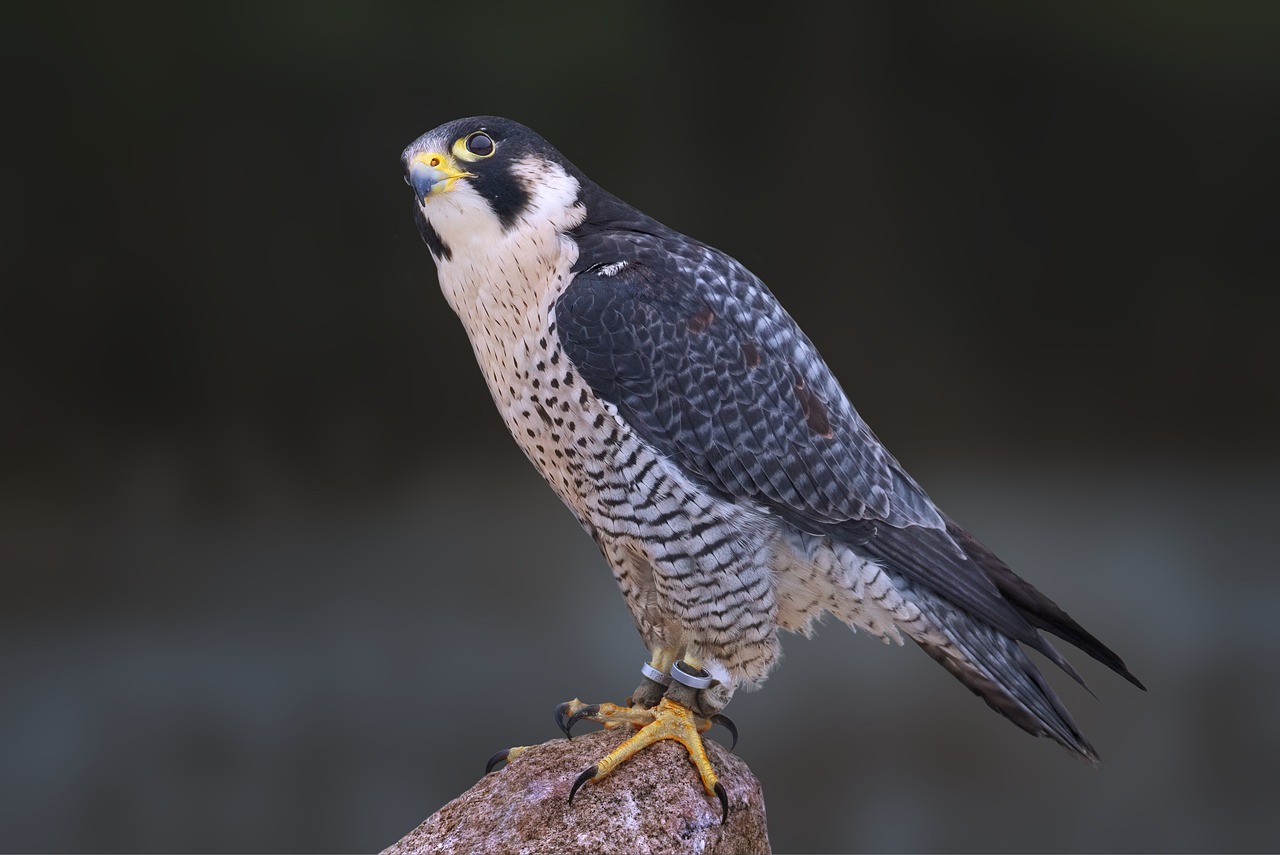
- Top speed: over 389 km/h (diving flight)
The peregrine falcon is undoubtedly the holder of the title of the fastest bird in the world. Its speciality is the dive it uses to hunt its prey. The peregrine falcon is found almost worldwide. The only places it does not occur naturally are Antarctica, parts of South America, New Zealand and Iceland. During a diving attack, the falcon can exceed 389 km/h, which makes it not only the fastest bird but also the fastest creature on the planet. Thanks to its speed and hunting skills, this bird of prey is a symbol of strength and elegance.
2. Golden eagle (Aquila chrysaetos)
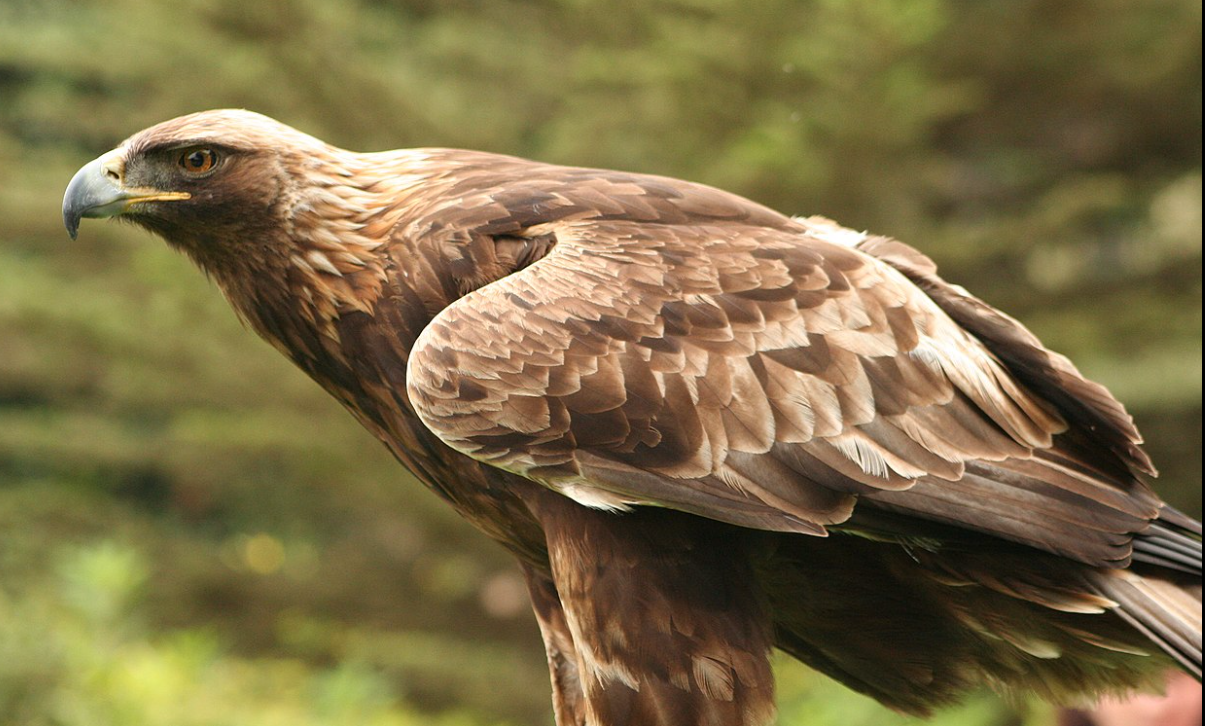
- Top speed: up to 300 km/h (diving flight)
The golden eagle is one of the largest and most impressive birds of prey in the world. This majestic bird boasts not only a wingspan of up to 2.2 metres but also great speed. In the dive it uses to attack prey, it can reach an incredible speed of up to 300 km/h. This speed puts it in second place, right after the peregrine falcon.
The golden eagle lives in mountainous areas of Europe, Asia, North America and northern Africa, where it hunts mammals, birds and sometimes reptiles. Thanks to its strength, sharp eyesight and speed, it can strike its prey precisely, even in difficult terrain. Although it spends most of its time soaring majestically over the landscape, its hunting dives are among the most effective and impressive in nature.
3. Saker falcon (Falco cherrug)
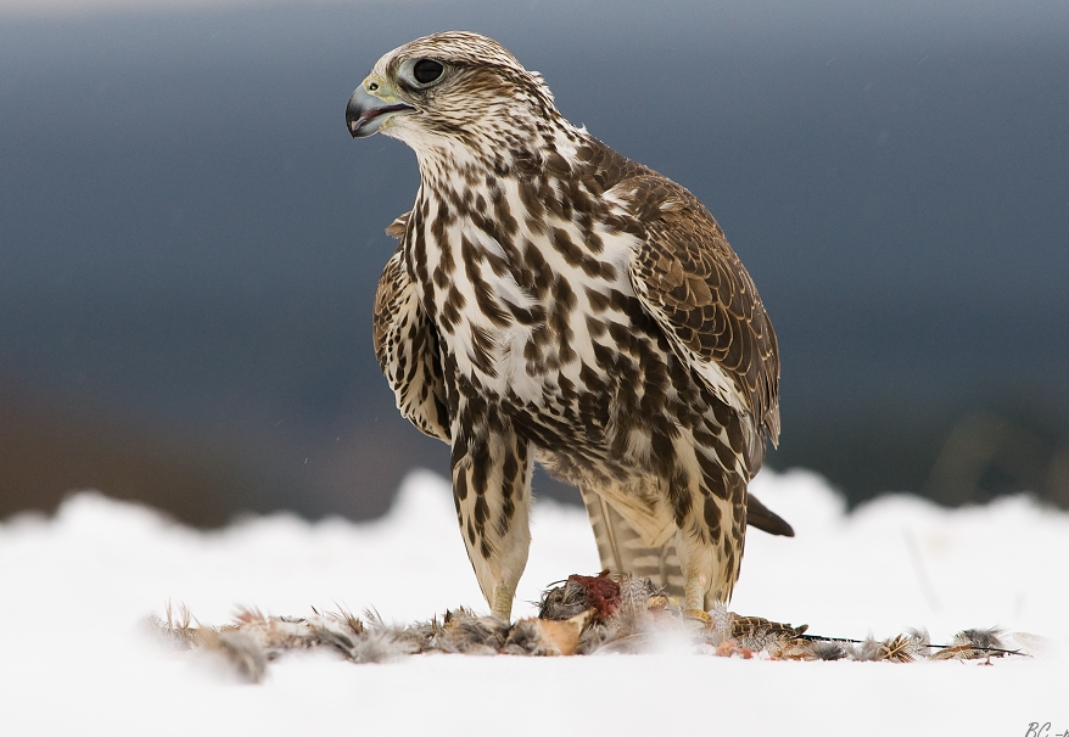
- Top speed: up to 240 km/h (diving flight)
The saker falcon, a relative of the peregrine falcon, is an exceptionally fast and agile bird of prey. It reaches speeds of up to 240 km/h when diving, which makes it one of the fastest birds in the world. Even in normal flight, the saker can manoeuvre at high speed, which allows it to hunt effectively.
This elegant bird is mainly at home in the open steppes and semi-deserts of Europe, Asia and northern Africa. Its most common prey includes small mammals and birds, which it catches either directly in flight or after a short chase. The saker falcon is an endangered species, mainly due to habitat loss and illegal trapping, yet it still symbolises the strength, speed and wild beauty of nature.
Thanks to its combination of speed and hunting precision, this bird of prey is often used in falconry, where it is valued for its abilities and temperament. It is an endangered bird of prey.
4. Gyrfalcon (Falco rusticolus)
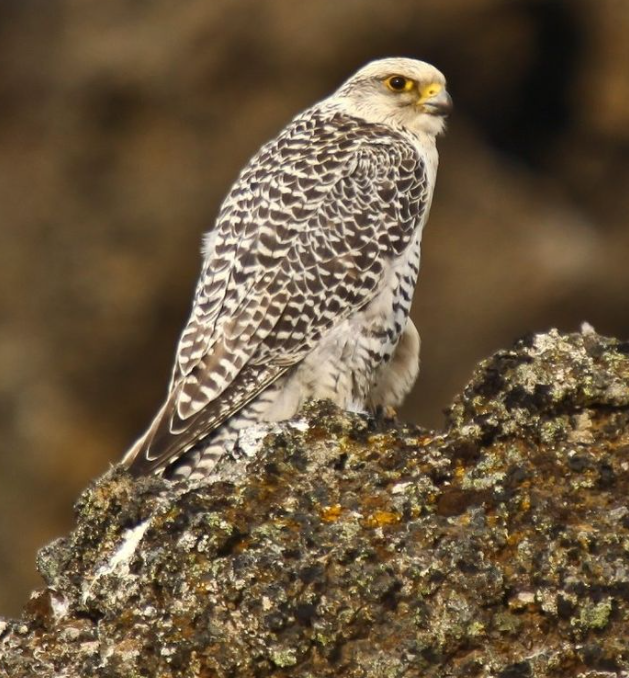
- Top speed: up to 209 km/h (diving flight)
The gyrfalcon is the largest falcon in the world and also one of the fastest birds of prey. This majestic bird reaches speeds of up to 209 km/h when diving. Although it is slightly slower than its smaller relative, the peregrine falcon, it still ranks among the aerial masters of the bird kingdom.
The gyrfalcon inhabits the Arctic and subarctic regions of Europe, Asia and North America. Its natural habitats are open tundra, rocky mountains and coastal areas. Thanks to its powerful build and strong wings, it can not only fly fast but also carry prey as large as itself.
This bird of prey is a highly specialised hunter that feeds mainly on birds and mammals. It is known for its strategic hunting techniques: it often dives from a height or chases prey in straight flight. The gyrfalcon is also very resistant to harsh weather, which allows it to survive in extremely cold environments.
Thanks to its strength and speed, the gyrfalcon is prized in falconry, where it has been used for centuries. Because of these qualities, this bird symbolises strength, courage and adaptability, attributes that make it one of the most remarkable birds of prey in nature.
5. Common swift (Apus apus)
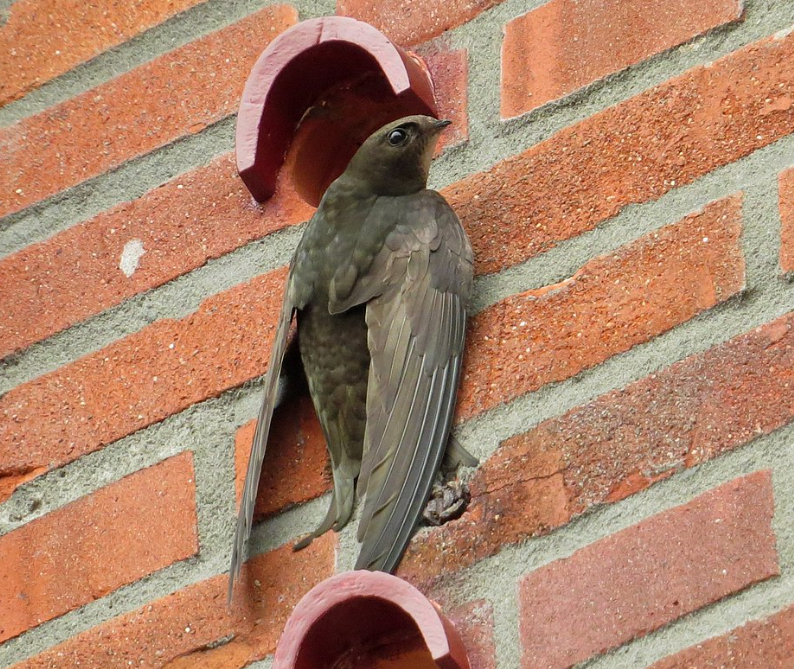
- Top speed: up to 200 km/h (normal flight)
The common swift is one of the fastest birds in horizontal flight. This elegant flier spends most of its life in the air, where it even sleeps, eats and mates. The swift is not only fast but also incredibly enduring: it can fly without a break for many months. Its speed and manoeuvrability help it catch small insects, which make up its main food.
6. Alpine swift (Tachymarptis melba)
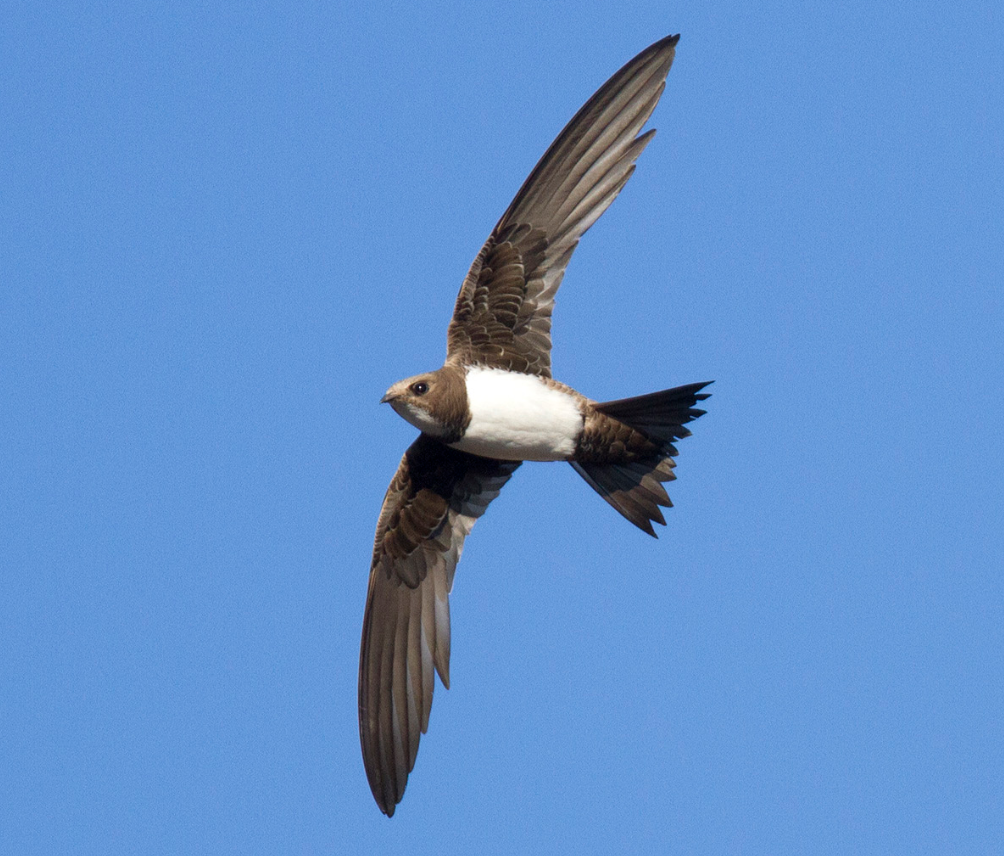
- Top speed: up to 170 km/h (normal flight)
The alpine swift, a close relative of the common swift, is one of the birds with the highest speed in straight flight.
It spends most of its life in the air. It flies tirelessly all day and even at night. Its main food is insects, which it catches in flight. This extreme specialisation for life in the air makes it one of the toughest and most enduring birds.
The alpine swift lives mainly in southern Europe, Africa and Asia. It prefers open landscapes where it can hunt its prey undisturbed, and it can often be seen above mountain ridges or vast plains. It nests on inaccessible cliffs or buildings, which gives it protection from predators.
💡 Tip: Read also: TOP 10: The fastest animals in the world
7. Eurasian hobby (Falco subbuteo)
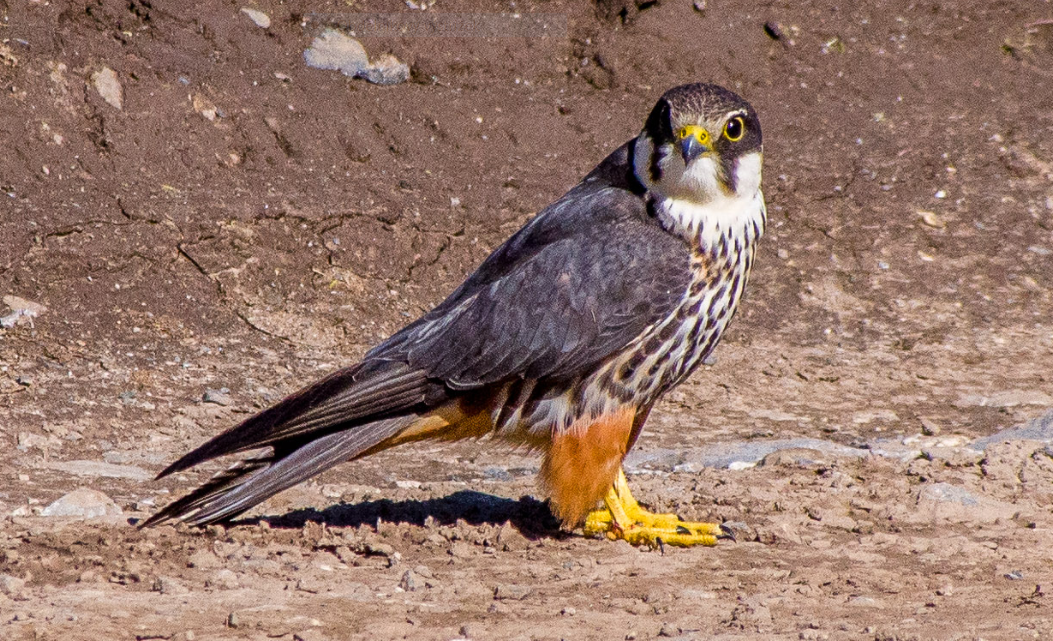
- Top speed: up to 160 km/h (diving flight)
The Eurasian hobby is a smaller but exceptionally fast falcon that stands out for its agility and nimbleness. It reaches speeds of up to 160 km/h when diving at prey, which makes it a feared hunter in the bird kingdom. Its fast, acrobatic flight also makes it well suited to catching insects and birds in mid-air, which is common for this species.
This elegant bird of prey lives in open woodland, open landscapes and wetlands across Europe, Asia and northern Africa. The hobby is known for its ability to hunt swallows and swifts, for example, which shows its amazing speed and precision. During migration, the hobby can cover long distances, using its aerodynamic body and strong wings for efficient and fast flight.
The Eurasian hobby is also popular with ornithologists for its ability to hunt even in hard-to-reach places.
8. Frigatebird (genus Fregata)

- Top speed: up to 153 km/h (normal flight)
Frigatebirds are fascinating seabirds known for their ability to fly long distances and for their exceptional speed and endurance. Their aerodynamic bodies and long, narrow wings allow easy, fast flight, in which they can reach speeds of up to 153 km/h. Frigatebirds are excellent gliders and often spend weeks in the air, using air currents over the oceans.
They are found mainly in tropical and subtropical regions, where they live on islands and coasts. Frigatebirds are known for their unique way of getting food: they often steal food from other birds in flight, which is called kleptoparasitism. They also catch fish and other marine animals, which they snatch from the surface without diving into the water themselves.
Another characteristic feature of frigatebirds is their appearance: males have striking red throat pouches, which they inflate during courtship to attract females. These birds can be admired not only for their beauty but also for their amazing speed and their ability to cover huge distances without stopping.
🎓Fun fact: Kleptoparasitism – This is behaviour in which one individual (the kleptoparasite) steals food from another, often right after it has been caught. This way of getting food is efficient because it allows the kleptoparasite to save the energy it would otherwise have to spend on hunting.
9. Spur-winged goose (Plectropterus gambensis)
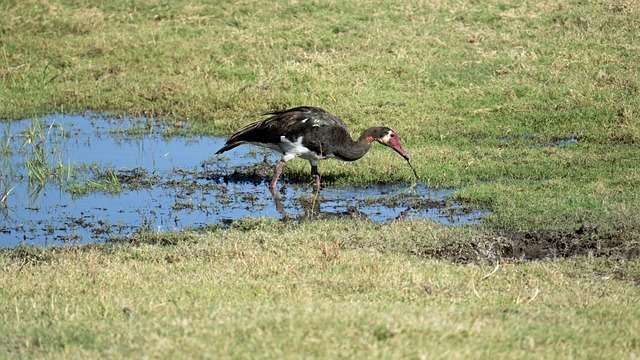
- Top speed: up to 142 km/h (normal flight)
The spur-winged goose is one of the largest species of duck in the world, known for its impressive build and distinctive appearance. Although it is slower than specialised fliers, it can still reach a respectable 142 km/h in straight flight. This speed allows it to escape predators effectively and to cover long distances when looking for food or new nesting sites.
The spur-winged goose comes from the tropical regions of South and Central America, where it lives in wetlands, lakes and rivers with dense vegetation. It is known for its characteristic appearance: it has striking fleshy growths on its head and around its eyes, often red or black, and its feathers can be glossy with a metallic sheen.
This species of duck is omnivorous and feeds on plants and seeds, but also on small animals. In captivity, it has been domesticated and today it is kept all over the world for its meat and eggs. Wild populations, however, still stand out for their adaptability, speed and ability to survive even in harsh conditions.
10. Red-breasted merganser (Mergus serrator)
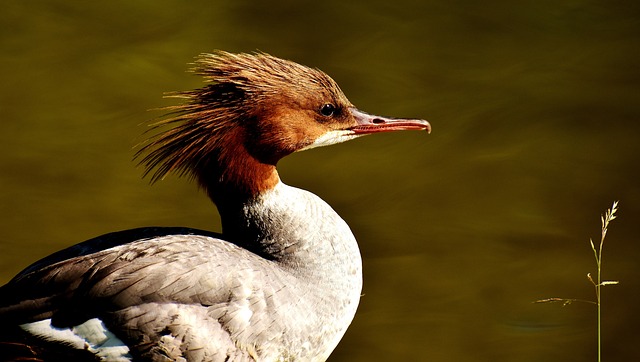
- Top speed: up to 130 km/h (normal flight)
The red-breasted merganser is a slender waterbird from the duck family, known for its speed and agility both in the air and in the water. This species can reach speeds of up to 130 km/h during migration or when escaping from predators. Its streamlined body and long, narrow wings are ideal for efficient, fast flight, making it one of the fastest waterbirds.
The red-breasted merganser lives in the Northern Hemisphere, where it inhabits coastal areas, rivers and lakes. It has a striking appearance: its head is dark and often crested, while its body is mostly white with black and brown stripes. Males and females differ in colouring, with males showing more contrast.
What makes the merganser special is its diet. It feeds mainly on fish, which it hunts underwater. Thanks to the serrated edge of its bill, which works like teeth, it can grip slippery fish firmly, making it a very successful hunter.
How do birds reach record speeds?
Birds’ ability to fly at extreme speeds is the result of millions of years of evolution. The key factors that allow them to be so fast are:
- Streamlined body shape: Birds such as the peregrine falcon have a slender body and pointed wings, which minimise air resistance.
- Strong muscles: The flight muscles, especially the breast muscles, provide the enormous power needed for fast movement.
- Light bones: Hollow bones reduce body weight, which improves flight performance.
- Wing adaptations: The shape and size of the wings are adapted to different types of flight, from the falcon’s dive to the albatross’s soaring.
Why is speed important in the bird world?
Speed plays a major role in birds’ survival. Birds of prey, such as the peregrine falcon, need speed to surprise and successfully catch their prey. Conversely, birds such as the mallard use speed to escape from predators. Speed is also important during migration, when birds cover huge distances to find a suitable place to breed or spend the winter.
If we were looking for an answer to the question “What is the fastest bird in the world?”, the winner is clearly the peregrine falcon. Its ability to reach speeds of over 389 km/h in a dive is unique.
The speed of birds is one of the most remarkable features of nature. It is fascinating to see how different species have adapted to their environment in order to survive and thrive. These “winged speedsters” remind us how amazing and diverse the animal kingdom can be.
💡 Tip: Interested in the animal kingdom and nature? Read also the article: The largest and most interesting fish in the world or Siberia: A harsh landscape, wild animals and the shadow of the gulags