
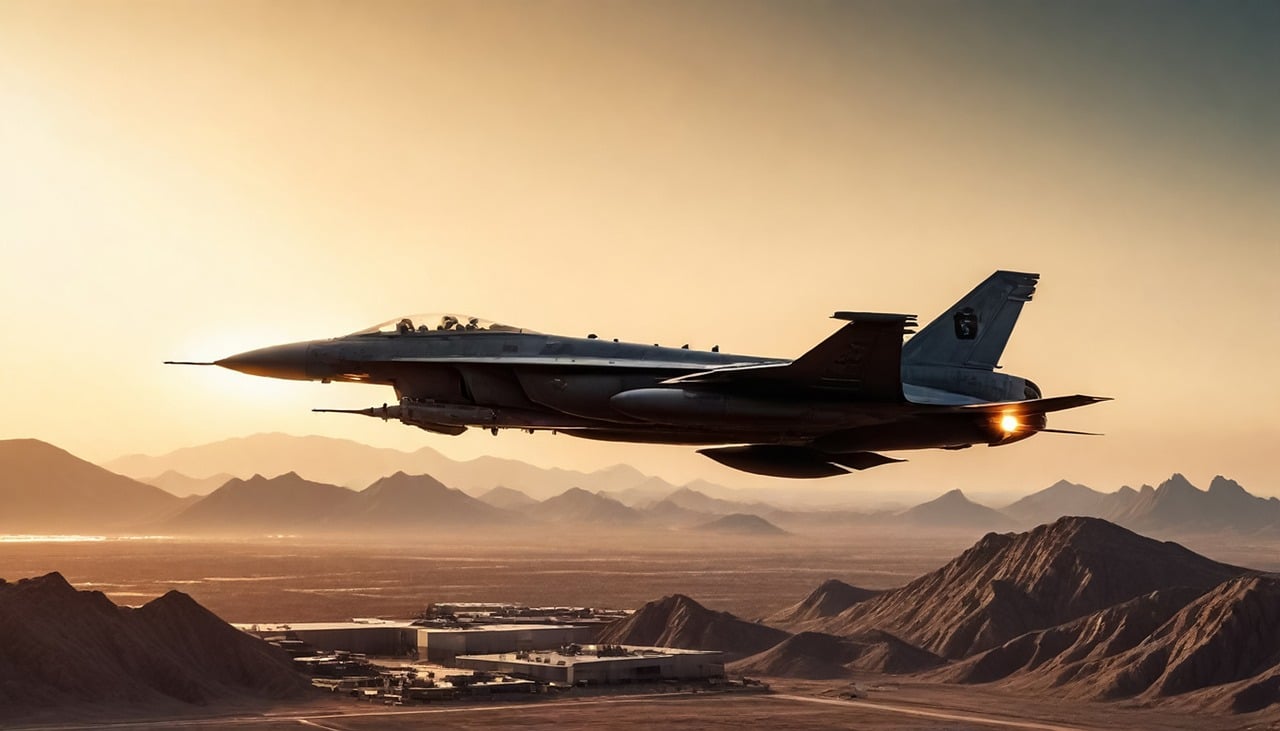
The fastest fighter jet in the world is not only a symbol of technological progress but also of the fascinating development of military aviation. From the first tentative attempts during the First World War to modern technology, speed has remained one of the key factors in the design of fighter aircraft.
Table of contents
The beginnings of military aviation
The history of military fighter jets began during the First World War, when aircraft were used for reconnaissance and combat operations for the first time. The first fighters were simple biplanes equipped with light machine guns. Among the best known is the German Fokker Dr. I, flown by the famous pilot Manfred von Richthofen, known as the Red Baron. This aircraft reached a top speed of around 185 km/h, which is very slow compared with today’s fighters.
Between the wars, the first advances
After the First World War ended, the development of fighter aircraft continued, and they gradually became faster and more powerful. In the interwar period, new technologies began to appear, such as all-metal construction and more powerful engines. These innovations paved the way for a dramatic increase in performance during the Second World War.
The Second World War, the era of advanced fighters
The Second World War was a period of intense development in aviation technology. Fighters such as the British Supermarine Spitfire and the German Messerschmitt Bf 109 reached speeds of over 600 km/h. These aircraft were crucial in air battles such as the Battle of Britain and played a vital role in the course of the war.
The first jet fighters
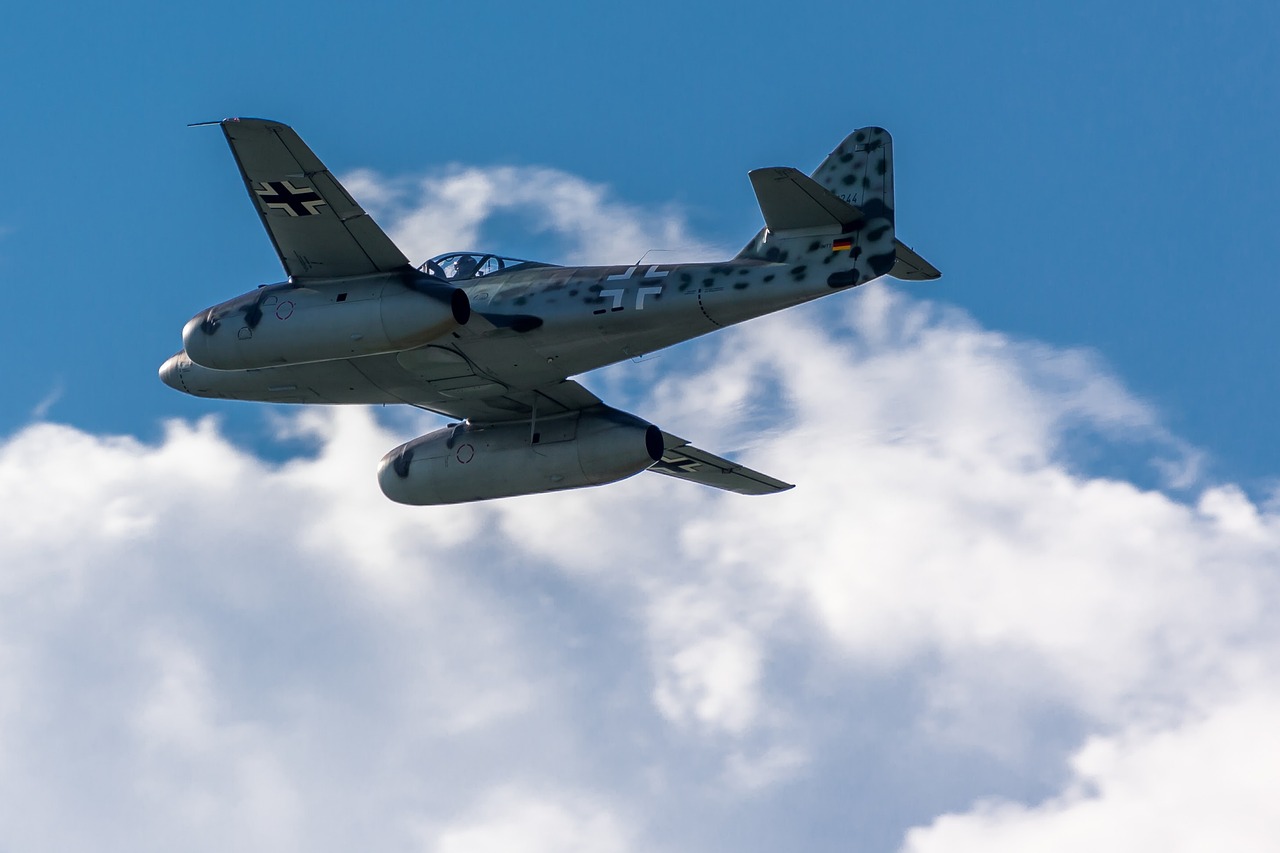
One of the most significant breakthroughs in aviation technology during the Second World War was the development of the first jet fighters. The German Messerschmitt Me 262, which first flew in 1942, was the world’s first operational jet fighter. The Me 262 reached speeds of up to 870 km/h, and its arrival revolutionised aerial warfare. The Allies also developed their own jet fighters, such as the British Gloster Meteor, which the British deployed at the end of the war.
The Cold War, the race for supremacy in aviation
The Cold War brought a race between the United States and the Soviet Union for supremacy in the skies. This race led to the development of fighters capable of reaching supersonic speeds. The American Lockheed F-104 Starfighter, designed by Clarence “Kelly” Johnson, was one of the first fighters to exceed Mach 2 (approximately 2,469 km/h). This aircraft was known for its slim design and extreme speed.
🎓 Did you know? Mach number (Mach): The Mach number is the ratio of an aircraft’s speed to the speed of sound in the surrounding environment. The speed of sound varies with temperature and altitude, but at standard temperature at sea level it is approximately 1,235 km/h. A fighter flying at Mach 1 is flying at the speed of sound. If an aircraft flies at Mach 2, it is twice as fast as sound, and so on. For example, the MiG-25 can reach a speed of Mach 3.2.
The Soviet response, the MiG-25
The Soviet Union responded to American progress by developing its own supersonic fighters. One of the most remarkable was the Mikoyan-Gurevich MiG-25, also known as the Foxbat. The MiG-25 was designed as a high-performance fighter with a top speed of up to Mach 3.2 (approximately 3,470 km/h). This aircraft was used mainly to intercept high-speed reconnaissance aircraft and bombers.
Lockheed SR-71 Blackbird, the fastest aircraft of all time
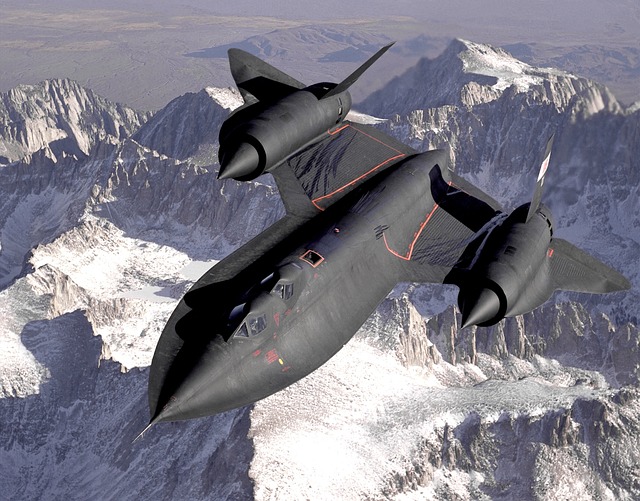
Although it is not classified as a traditional fighter, the Lockheed SR-71 Blackbird is considered the fastest aircraft of all time. This reconnaissance aircraft, also designed by Clarence “Kelly” Johnson, reached speeds of Mach 3.3 (approximately 3,540 km/h) and flew at altitudes of over 24,000 metres. The SR-71 was designed for high-speed, high-altitude reconnaissance in order to evade Soviet anti-aircraft missiles. The SR-71’s first flight took place in 1964, and the aircraft entered service in 1966.
Thanks to their ability to fly at such speeds and such altitudes, Blackbird aircraft successfully avoided threats. In addition, the aircraft’s surface is designed to reduce its radar cross-section.
The Blackbird can cross the Atlantic Ocean in just one hour. And it is more than three times faster than sound. Even if you fired the very best rifle right behind the aircraft, the bullet would not catch up with it.
The designers had to deal with the temperatures the aircraft is exposed to at high speed. Not just any material can withstand temperatures of 400 degrees. So the American designers used very hard titanium, all of which, paradoxically, they imported from the Soviet Union. If only the Russians had known at the time what the metal would be used for…
The modern era, advanced technologies and new challenges
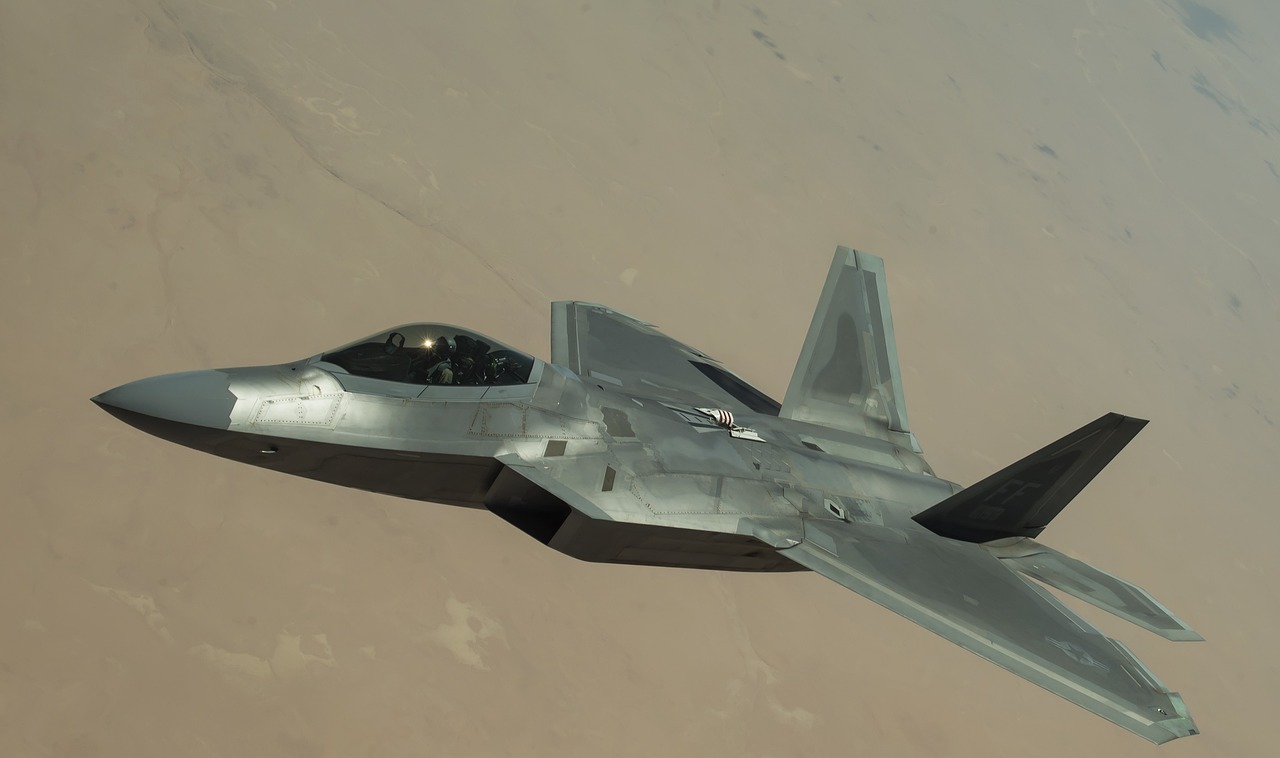
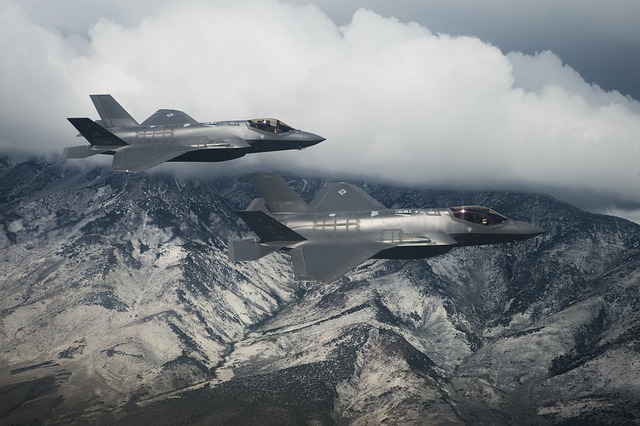
Modern fourth- and fifth-generation fighters, such as the F-22 Raptor and F-35 Lightning II, combine advanced stealth technology, avionics and manoeuvrability. Although they are not as fast as the SR-71 or the MiG-25, their combat and survival capabilities are significantly greater. These fighters are designed to provide air superiority in a modern combat environment.
Hypersonic speeds, the future of aviation
The future of aviation may bring hypersonic aircraft that reach speeds above Mach 5 (approximately 6,174 km/h). This technology is still in the early stages of development, but it promises to revolutionise military and civil aviation. Hypersonic aircraft could significantly shorten flight times between continents and bring new tactical options for military operations.
The fastest fighter jets today
Boeing X-51 Waverider
The Boeing X-51 Waverider is an experimental hypersonic aircraft designed to reach speeds of up to Mach 5. In 2013, this aircraft reached a speed of Mach 5.1 during a test flight. Although it is not an operational fighter, the X-51 shows the potential of hypersonic technologies for the future.
Sukhoi Su-57
The Russian Sukhoi Su-57 is a modern fifth-generation fighter that combines stealth technology with high manoeuvrability. The Su-57 reaches speeds of up to Mach 2 and is designed for air combat and attacks on ground targets. This aircraft represents the cutting edge of current Russian aviation technology.
F-22 Raptor and F-35 Lightning II
The American fifth-generation fighters F-22 Raptor and F-35 Lightning II represent the pinnacle of current aviation technology. The F-22 Raptor reaches speeds of over Mach 2.25 and is designed for air superiority, while the F-35 Lightning II combines the capabilities of a fighter and an attack aircraft, with a top speed of Mach 1.6.
So which is the fastest fighter jet in the world? From a historical point of view, the Lockheed SR-71 Blackbird can be considered the fastest fighter, although it is not classified as a traditional fighter. Among operational fighters, the Soviet MiG-25 and MiG-31 stand out, reaching speeds of up to Mach 3. Aviation technology is constantly evolving and bringing new challenges and opportunities, so it is possible that in the near future the title of fastest fighter will belong to another aircraft.
💡 Tip: Also read The fastest trains in the world: What do they look like and where do they run? or How the longest suspension footbridge in the Czech Republic, and in the world, was built!