

For many people, the word “diet” brings to mind suffering: eating boring vegetables, dry rice and dried-out chicken, in short, food without flavour. But diet meals do not have to be boring at all, quite the opposite. It is not just about making yourself a plain chicken fillet with a tiny handful of dry rice every day. Trust us, you will enjoy these diet meals so much that you will not want to change them.
The short answer. A diet meal is one that fills you up for few calories. Build it on vegetables, a lean protein such as chicken, eggs, quark, fish or pulses, and a smaller portion of a wholegrain side. Go easy on oil, cream and cheese. You can make three quarters of the 20 recipes in this article in under 45 minutes, and a portion comes to roughly 210 to 540 kcal.
Under each recipe you will find the number of portions, the preparation time and approximate calories and protein per portion. After the recipes, we continue with diet meals made from autumn ingredients, a diet lunch and dinner, a weekly meal plan, tips for cooking for the whole family and the most common mistakes.
 TOP 7: The most calorific foods you should avoid
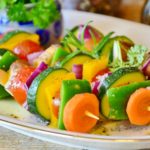 14 healthy cold dinners, most of which you can make in 15 minutes
Table of contents
Diet meals with flavour
If you believe you have to give up all your favourite foods to reach your dream weight, you are very much mistaken. Just change a few ingredients and a low-calorie, healthy treat is ready. With these recipes, you will not even feel like you are on a diet. Most of the recipes are also simple and quick to make.

Tip: If you are trying to optimise your weight or want to lose weight, you might also be interested in the keto diet. If this diet, based on a significant reduction in carbohydrates, is new to you, be sure to read our beginner’s guide to the keto diet.
What makes a meal a diet meal
A diet meal does not mean a meal without flavour. It is a meal that fills you up for fewer calories, and this depends mainly on three things: low energy density, meaning few calories per gram of food, enough protein and enough fibre.
The recipes below are based on everyday meals in which we have reduced the fat and added vegetables or protein. This means you do not have to cook anything exotic, and you can make the meals from what you can buy in any supermarket.
Energy density
The energy density of food is studied by Barbara Rolls of Pennsylvania State University. In her 2004 study, 42 women ate lunch in a laboratory and had to eat a salad before the main course. A large portion of salad with low energy density reduced total energy intake at lunch by 12%. A salad with lots of cheese and dressing, on the other hand, increased it by up to 17%.
Her team’s year-long study from 2007 began with 97 women with obesity. Of the 71 who completed it, those who ate less fat and at the same time more fruit and vegetables lost an average of 7.9 kg, while women who only cut down on fat lost 6.4 kg. The women with a higher share of fruit and vegetables also ate more food and reported feeling less hungry.
In practice, this means adding vegetables or pulses to every meal and going easy on fat. According to the USDA database, one tablespoon of olive oil has around 115 kcal, roughly the same as 450 g of cauliflower.
Protein
Protein is very filling. In a study by David Weigle of the University of Washington, published in 2005, 19 people increased the share of protein in their diet from 15 to 30% of energy and at the same time reduced fat from 35 to 20%. When they were then allowed to eat as much as they wanted, they ate an average of 441 kcal less per day and lost 4.9 kg over 12 weeks.
It was a small study, and it does not show that the more protein, the better. It is enough to include protein in every main meal, which is why most of the recipes are based on chicken, eggs, quark, tuna or pulses. You will find an overview of suitable sources in the article how to get more protein.
Fibre and vegetables
In its July 2023 guideline, the World Health Organization advises adults to eat at least 400 g of vegetables and fruit and 25 g of fibre from natural sources every day. Fibre is found in vegetables, pulses, wholegrain bread, oats and fruit.
To give you an idea, according to the USDA, 100 g of oats contains 10.1 g of fibre, dry red lentils 10.8 g and wholegrain bread 6 g, while white rice has only 1.3 g. That is why it pays to choose wholegrain options. You will find more tips in the article on high-fibre foods.
How we calculated the calories
We calculated the approximate calories and protein per portion using values from the FoodData Central database of the US Department of Agriculture (USDA) for raw ingredients in the stated amounts. The actual value varies depending on the specific products, the size of the vegetables and how much oil you actually use.
We did not include spices, salt and garlic. We count Edam as full-fat. The USDA database does not list quark, so we used low-fat cottage cheese (72 kcal per 100 g) as the closest substitute. You can work out how many calories you need per day in the article what a calorie deficit is and how to use it.
1. Chicken risotto with peas
We will start with that “boring” rice with chicken, but don’t worry, this is not a meal without flavour at all. Quite the opposite, it is a simple diet risotto you will love, and it will also give you the energy you need.
You will need:
- 1 onion
- 300 g chicken breast
- a large tin of peas
- 200 g uncooked rice
- salt, pepper, sweet ground paprika
Method:
First, put the rice on to cook. Then peel the onion and chop it finely, and cut the chicken into small cubes.
Soften the onion in oil over a low heat until translucent, then add the chicken. After frying for a short while, pour in enough water to cover the meat, season with salt and pepper and simmer for about 15 minutes.
Then add the cooked rice and peas and colour with sweet paprika. Bring to the boil and serve.
Serves four, about 35 minutes, around 350 kcal and 23 g of protein per portion. A large tin of peas gives roughly 240 g once drained, and one tablespoon of oil is enough for frying the onion and meat. The calorie calculation is based on these amounts.
The rice cooks at the same time as the meat, so you can make this meal even on a weekday. If you want a bigger portion, add chopped carrot or pepper to the peas. You will find more ideas in the article 5 healthy chicken recipes.
2. Spaghetti with chicken and tomato sauce
Spaghetti does not have to be full of fat and a calorie bomb. When you swap processed meat for chicken, you get a delicious dish that fits perfectly into a diet meal plan.
You will need:
- 250 g chicken breast
- 2 cartons of passata
- a little ketchup
- Bolognese seasoning
- 2 garlic cloves
Method:
Chop the meat finely and fry it in a pot with a drop of oil. Pour in the passata, add the ketchup, sprinkle with the seasoning and add the crushed garlic. Cook until the mixture comes to the boil.
Serve with cooked spaghetti (you can try wholegrain) and you can sprinkle it with grated cheese.

Serves four, about 25 minutes, around 500 kcal and 30 g of protein per portion. For four people, cook 320 g of dry spaghetti, which is 80 g per person. For the sauce, two 500 g cartons of passata, two tablespoons of ketchup and a tablespoon of grated Parmesan per portion for sprinkling are enough.
Most of the energy here comes from the pasta. You can make a lighter portion by having 60 g of pasta and more sauce, or by adding a vegetable salad. According to the USDA, pasta made with half wholegrain flour has more than three times as much fibre as regular pasta, 11.3 g compared with 3.2 g per 100 g.
3. Plain chicken fillet with roast potatoes
A quick lunch or dinner with fewer calories than fried meat. Although it is not a proper breaded schnitzel, you save the fat from frying. Besides, a plain chicken fillet like this tastes really great.
You will need:
- chicken fillets
- grilled meat seasoning
- 250 g potatoes
- potato wedge seasoning
- vegetables of your choice
Method:
Preheat the oven to 200 degrees. Wash the potatoes thoroughly and cut them, skin on, into small cubes. In a bowl, mix them with the seasoning (you can add your favourite herbs) and a little oil. Line a baking tray with baking paper and roast them for about 30 minutes.
Cut the meat into thinner slices and sprinkle it with seasoning on both sides. Sear it in a frying pan with oil on both sides. Serve with the potatoes and your favourite vegetables.
Tip: If you have an air fryer, you can roast the potatoes in it. They will be cooked with minimal oil and will lose none of their flavour.
Serves two, takes about 40 minutes, around 350 kcal and 32 g of protein per serving. For two people, allow 250 g of chicken breast, a tablespoon of oil for the potatoes, a teaspoon of oil for the meat and 200 g of vegetables, such as peppers. The 250 g of potatoes listed makes a smaller side dish, so if you are hungrier, add more vegetables instead.
Cut the meat into slices about a centimetre thick. They will cook through in a few minutes on each side and stay juicy. Meanwhile, roast the potatoes in the oven so that everything is ready at the same time.
4. Chicken curry with rice
Fall for the magic of Indian food. Curry powder, a blend of several spices, is popular in Indian cooking, and it is no wonder. It gives food a wonderful flavour. Chicken with rice and curry powder will bring you a real wave of the exotic on your plate.
You will need:
- 200 g uncooked rice
- 250 g chicken breast
- 400 g soured cream
- 200 ml milk
- curry powder
Method:
Cook the rice according to the instructions. Dice the chicken breast and fry it in a pan with a drop of oil. Pour in the milk, season with curry powder and let it simmer briefly. Take the pan off the hob and only then stir in the soured cream, as it would curdle if boiled. You can also mix it beforehand with a tablespoon of plain flour and then simmer the sauce briefly. Serve with the cooked rice.

Serves four, takes about 30 minutes, around 490 kcal and 22 g of protein per serving. Most of the energy here comes from the 400 g of soured cream. The calculation is based on the USDA value for soured cream (198 kcal per 100 g). Products vary in fat content from brand to brand and country to country, so check the packaging.
For a lighter version, replace half of the soured cream with fat-free plain Greek yoghurt. A serving then comes to roughly 420 kcal and 25 g of protein. Stir in the yoghurt only after taking the pan off the hob, just like the soured cream, otherwise it will curdle.
5. Pasta salad with ham and cheese
This dish is especially suited to hot summer days, because it is pleasantly refreshing and filling, and you will not feel overfull afterwards. That does not mean you cannot enjoy it at any time of the year, though. Thanks to the vegetables, it provides the vitamins and nutrients you need.
You will need:
- 200 g uncooked pasta
- 100 g grated cheese
- 200 g ham
- a cucumber
- 2 large tomatoes
- salt, pepper and spices to taste
Method:
Cook the pasta according to the instructions and leave it to cool. Cut the ham and vegetables into small pieces and mix them in a large bowl with the cooled pasta and grated cheese. Season to your liking and leave the salad to chill in the fridge for at least an hour.
Tip: On hot summer days, many kinds of fruit are in season, and you can cool down with a smoothie. When dieting, however, treat smoothies as an occasional snack. The UK’s NHS advises drinking no more than 150 ml of fruit juice and smoothies combined per day, because blending releases the sugars from the fruit. Whole fruit is more filling.
Serves four, 20 minutes of preparation and an hour in the fridge, around 380 kcal and 22 g of protein per serving. We have allowed for one cucumber weighing about 300 g, two tomatoes of 150 g each and full-fat Edam. The cheese and ham provide almost half of the energy.
For a lighter salad, use only half the cheese and more vegetables. In its Healthy Eating Plate, the Harvard School of Public Health advises limiting cheese and avoiding processed meats, so treat this salad as an occasional option. You can replace the ham with chicken roasted in advance.
6. Wholemeal bread pudding with apples
Do you remember eating this sweet treat as a child? And are you thinking that such a calorie bomb surely does not belong among diet meals? With the right combination of ingredients and no sugar, bread pudding need not be a diet’s worst enemy. The apples sweeten the dish naturally.
You will need:
Base
- 1 pack of wholemeal sandwich bread
- 2 eggs
- 300 ml milk
Filling
- 500 g low-fat quark
- 1 egg
- 50 g erythritol (or another sweetener)
- 6 apples
- cinnamon
Method:
Peel the apples if you like, but it is not necessary. Then grate them and squeeze out the excess water. Mix them with cinnamon, and you can also add raisins or nuts. Beat the quark with the egg and sweetener. If it is too thick, thin it with milk.
For the base, whisk the eggs with the milk and then soak the bread in this mixture. Grease a baking dish with butter and lay down the first layer of bread, then the quark and finally the apples. Continue in this way, finishing with a layer of bread.
Bake the pudding at 180°C for about 45 minutes, until the top turns golden. Once baked, it is ready to serve, and it is delicious both warm and cold.

Serves six, 20 minutes of preparation and 45 minutes of baking, around 430 kcal and 26 g of protein per serving. We have allowed for a 500 g pack of wholemeal sandwich bread, three eggs, 300 ml of milk and six apples, which is roughly a kilogram. Under the EU regulation on food information, erythritol counts as having zero energy value.
The calories therefore apply when using erythritol, and they will be higher with sugar. The pudding is more of a sweet lunch or hearty breakfast than a light dinner. Each serving contains around 80 g of quark and more than 150 g of apples, so it is filling even without added sugar.
7. Couscous with tuna and vegetables
Couscous is another great diet helper with many uses. It is easy to prepare, so you can have a nutritious side dish ready in no time. Add some protein, fat and vitamins, and you have a filling diet meal.
You will need:
- 60 g uncooked couscous
- 1 tin of tuna
- 1 tin of peas
- 1 tin of button mushrooms
- salt, pepper and herbs to taste
Method:
Simply pour boiling water over the couscous, cover it and leave it to swell for about 10 minutes. Then uncover it, mix it with the rest of the ingredients and serve.
Makes one hearty serving, takes 15 minutes, around 540 kcal and 45 g of protein. We have allowed for tuna in its own juice, which leaves about 120 g once drained, drained peas (240 g) and mushrooms (200 g).
The recipe contains no added fat. If you add a tablespoon of olive oil, add roughly 115 kcal. When dieting, choose tuna in its own juice, as tuna in oil contains more energy. If you want a smaller serving, split the meal in half and add a green salad.
8. Baked rice pudding with apples and cinnamon
Do you love sweet dishes but worry about your figure? Don’t worry, you do not have to give them up completely, because they can also be made in a “lighter” way. Just swap a few ingredients and you have a tasty treat.
You will need:
- 300 g uncooked rice
- 2 eggs
- 200 ml milk
- 5 apples
- 50 g erythritol (or another sweetener)
- cinnamon
- butter
Method:
Cook the rice in milk until soft. Top up with water as needed and cook until it becomes a thick porridge, then stir in the sweetener. Leave it to cool.
Separate the yolks from the whites and whisk the whites into stiff peaks. Add the yolks and the whisked whites to the cooled porridge and mix well.
Grate the apples and mix them with cinnamon and, if you like, chopped nuts. Grease a baking dish with softened butter. Layer half of the rice first, then the apples, and finally the other half of the rice porridge.
Bake the pudding at 180°C for about 45 minutes until golden. When dieting, skip the slices of butter on top.
Tip: If you do not feel like making a baked pudding or do not have time, how about a quick rice porridge instead? Simply cook the rice in milk with a little sweetener until it reaches a porridge-like consistency, then serve it with your favourite fruit.

Serves six, takes about an hour and a half including cooking the rice, cooling and baking, around 310 kcal and 7 g of protein per serving. We have allowed for five apples with a total weight of about 900 g and 10 g of butter for greasing the dish. The calories apply when using erythritol, and they will be higher with sugar.
This pudding is a sweet dish for an occasional lunch or weekend breakfast, not an everyday diet meal, as it is low in protein. The recipe contains only 200 ml of milk, so top up the rice with water. Each additional 100 ml of 2% fat milk adds about 50 kcal. The rice porridge from the tip above is quicker and also suits breakfast.
9. Pasta with spinach and cheese
Spinach is a popular leafy vegetable that provides our bodies with essential nutrients and vitamins. It is also easy to prepare and tastes wonderful combined with pasta and cheese.
You will need:
- 1 pack of frozen spinach
- 200 g soured cream
- 2 garlic cloves
- salt and pepper to taste
- cooked pasta
- grated cheese to taste
Method:
Cook the pasta according to the packet instructions. Put the frozen spinach in a pan and cover it with water. Cook until the spinach has fully thawed, then add the crushed garlic. Season with salt and pepper, take the pan off the heat and only then stir in the soured cream, as it would curdle if boiled. You can also mix it beforehand with a spoonful of plain flour. Serve with the pasta and grated cheese.
Serves four, 20 minutes, around 450 kcal and 18 g of protein per portion. For four people, cook 300 g of dried pasta; a 450 g pack of frozen spinach is enough, plus 40 g of grated Parmesan. Here too, you can replace some of the soured cream with plain yoghurt.
You can use frozen spinach without weighing or chopping. According to the USDA, it has 29 kcal and 3.6 g of protein per 100 g, so a larger portion of spinach and a smaller portion of pasta is a good swap when you are trying to lose weight.
10. Broccoli patties
Broccoli is an excellent fit for a diet. It is low in calories, 34 kcal per 100 g according to the USDA, and it provides the body with important, beneficial nutrients. It can also be prepared in many ways, and patties are one of them.
You will need:
- 500 g broccoli
- 125 g quark from a tub
- 2 eggs
- 2 cloves of garlic
- 4 tablespoons breadcrumbs
- salt and pepper to taste
- olive oil
Method:
Cut the broccoli into smaller pieces and boil briefly in salted water (about 5 to 10 minutes). Whisk the eggs and add the breadcrumbs, crushed garlic, quark, and salt and pepper to taste.
Drain the broccoli, mash it thoroughly with a fork or another utensil and mix it with the egg mixture. Shape into small patties, place them on a baking tray lined with baking paper and brush them with a drop of oil.
Bake at 180 degrees for about 30 minutes until golden. Turn the patties halfway through baking. They are great with mashed potatoes.

Serves two, about 45 minutes, around 300 kcal and 23 g of protein per portion without a side dish. This amount makes eight to ten patties. We have calculated with low-fat quark, four tablespoons of breadcrumbs (about 28 g) and just under a tablespoon of olive oil for brushing.
Mashed potatoes made from 200 g of potatoes and a little milk add around 180 kcal per portion. A lighter side dish is a vegetable salad or a mash made half from potatoes and half from cauliflower. You will find more ideas in the article the best healthy broccoli recipes.
11. Baked stuffed mushrooms
If you love mushrooms, this diet recipe is just right for you. Stuffed mushrooms are low in calories and delicious.
You will need:
- button mushrooms
- roast chicken (or ham)
- grated cheese
- tomatoes
Method:
Peel and clean the mushrooms and remove the stalks. Do not throw the stalks away, though. Chop them finely, along with the meat and tomatoes. Mix everything together and fill the mushrooms with the mixture.
Then place them on a baking tray lined with baking paper and sprinkle with cheese. Bake for 20 minutes at 180 degrees. Serve with your favourite side dish and vegetables.
Serves two, 35 minutes, around 250 kcal and 30 g of protein per portion. For two people, buy about 500 g of large mushrooms (10 to 12 pieces), 100 g of roast chicken breast, two smaller tomatoes (200 g) and 50 g of grated Edam.
According to the USDA, mushrooms have only 22 kcal per 100 g, so the portion is light and suits an evening meal. As a side, choose a piece of wholemeal bread or roast potatoes. You can use ham instead of chicken and the calories will stay similar. For a meat-free version, fill the mushrooms with mashed chickpeas.
12. Oat and quark dumplings with fruit
Do you love dumplings filled with your favourite fruit? Summer would not be the same without this treat. If you are trying to keep your figure, this recipe will help you satisfy your sweet tooth with fewer calories.
You will need:
- 250 g fine rolled oats
- 250 g low-fat quark from a tub
- 2 eggs
- a sweetener if you like, but it is not necessary
- your favourite fruit for the filling
Method:
Blend the oats into a flour-like consistency. Mix with the eggs and quark and stir thoroughly into a dumpling dough. Shape the dough into small discs, fill them with fruit and form dumplings.
Cook in boiling water until the dumplings float to the surface. Serve with whatever you like. Quark, cocoa, poppy seeds, nut butter or fruit purée from fresh fruit all work well.

Serves four (about 12 dumplings), 40 minutes, around 350 kcal and 20 g of protein per portion without toppings. We have calculated with low-fat quark and 300 g of plums, which are best in autumn.
Count the toppings separately. The lightest is quark or yoghurt with cinnamon, cocoa and poppy seeds are fine in small amounts, and nut butter is the most calorie-dense of the toppings mentioned. You will find more recipes in the article the best rolled oat recipes.
13. Cauliflower patties
Cauliflower is a great partner for a healthy lifestyle. Cauliflower patties can replace potato ones with a clear conscience. They taste just as good and contain less fat. Baking saves a lot of fat that the patties would soak up if fried.
You will need:
- 1 medium cauliflower
- 60 g spelt flour
- 2 eggs
- 2 cloves of garlic
- marjoram, salt, pepper
Method:
Clean the cauliflower and divide it into florets, then boil them for about 10 minutes. Drain and mash with a fork. Mix with the remaining ingredients and shape into patties.
Place them on a baking tray lined with baking paper and bake for 30 minutes at 180 degrees until golden. Turn them halfway through baking. Serve with vegetables and your favourite side dish.
Serves two, about 55 minutes, around 250 kcal and 16 g of protein per portion without a side dish. A medium cauliflower gives roughly 600 g of florets. For the spelt flour, we used the USDA value for spelt (338 kcal per 100 g).
Let the cooked cauliflower drain well and squeeze out the water so the patties hold their shape. They go well with a yoghurt dip with garlic and herbs or a vegetable salad.
14. Egg omelette in a wholemeal tortilla
Bored of classic scrambled eggs, fried eggs or omelettes? How about taking your omelette to the next level by making it in a wholemeal tortilla? It is an instant tasty and healthy twist.
You will need:
- wholemeal tortilla
- 2 eggs
- 2 tablespoons cottage cheese (or a slice of ham)
- cheese
- salt, pepper
- ketchup
Method:
Whisk the eggs in a bowl and pour them into a pan with a drop of oil. Add cottage cheese and grated cheese to the omelette and season with salt and pepper. Spread the tortilla with ketchup and place the finished omelette on it. Roll it up and serve with a vegetable side.

Serves one, 10 minutes, around 490 kcal and 29 g of protein. We have calculated with a wholemeal tortilla weighing about 60 g, two eggs, two tablespoons of cottage cheese (40 g), 20 g of Edam, a tablespoon of ketchup and a teaspoon of oil. It is a filling breakfast or lunch, not a light dinner.
Vegetables add almost no energy, so feel free to add a handful of spinach, peppers or mushrooms to the omelette, as the picture caption suggests. You can use a slice of ham instead of cottage cheese and the calories will be similar.
15. Healthy cauliflower pizza
Although regular pizza does not exactly belong on a diet menu, this healthier cauliflower version does. Cauliflower is low in calories, 25 kcal per 100 g according to the USDA, so it is a great fit for a diet menu. It also provides the body with plenty of vitamins.
You will need:
- 1 cauliflower
- 1 egg
- 50 g grated cheese
- salt, pepper, oregano
- toppings to taste
Method:
Divide the cauliflower into florets and boil them for 10 minutes. Let it cool, then blend it with the egg. Add the cheese, season, and shape the resulting dough into a flat base on a baking tray lined with baking paper.
Bake for 15 minutes at 180 degrees. Then take the base out, add whatever toppings you like and bake for another 10 minutes. The pizza is then ready to serve.

Serves two, about 60 minutes, around 270 kcal and 26 g of protein per portion. For the calculation, we topped the pizza with 100 g of passata, 60 g of roast chicken and 50 g of mushrooms; you can use ham instead of meat. Extra cheese adds the most energy.
To help the base hold together, squeeze as much water as possible out of the boiled and cooled cauliflower using a clean tea towel. Otherwise the dough stays soft and falls apart on the tray. A lighter version of pizza made with regular dough is described in the article fitness pizza.
Diet dishes with autumn ingredients
In autumn, shops and markets offer pumpkins, cabbage, apples, plums, mushrooms and root vegetables. They have a low energy density: according to the USDA, pumpkin has 26 kcal per 100 g (Hokkaido may have more), oyster mushrooms 33 kcal and apples 52 kcal.
Of the basic recipes, the ones that suit autumn best are bread and apple pudding, apple bake with fruit, oat dumplings with plums and cauliflower fritters. You will find more ideas in the articles 10 tips for healthy autumn recipes and healthy autumn pumpkin recipes.
Pumpkin soup with red lentils
Serves four, 35 minutes, around 210 kcal and 11 g of protein per portion. You need 600 g of Hokkaido pumpkin, 120 g of red lentils, one onion, two carrots (about 150 g), a tablespoon of oil, a litre of water or vegetable stock, salt, caraway and a small piece of ginger. To garnish, four tablespoons of plain Greek yoghurt.
Fry the onion in oil, add the chopped pumpkin and carrots and the rinsed lentils, and pour in the water. Simmer for about 20 minutes until soft, season and blend. There is no need to peel Hokkaido pumpkin, as the skin softens when cooked. You will find more recipes with this pumpkin in the article the best Hokkaido pumpkin recipes.
Roasted pumpkin with chickpeas and feta
Serves two, 40 minutes, around 390 kcal and 16 g of protein per portion. On a baking tray, place 500 g of diced pumpkin, a tin of rinsed chickpeas (about 240 g once drained) and a red onion cut into wedges. Drizzle with a tablespoon of oil, season with salt and pepper and sprinkle with cumin or smoked paprika.
Roast at 200 °C for about 30 minutes, stirring halfway through. Sprinkle the finished mixture with 60 g of crumbled feta and serve with a handful of rocket or lamb’s lettuce. The chickpeas and cheese provide the protein, so this is a complete meal without meat.
Oyster mushrooms with onion and eggs
Serves two, 20 minutes, around 390 kcal and 25 g of protein per portion, including a slice of bread. You need 400 g of oyster mushrooms, one onion, four eggs, a tablespoon of oil, salt, pepper, caraway and two 40 g slices of wholemeal bread.
Fry the onion in oil, add the oyster mushrooms torn into strips and cook for about 10 minutes until the liquid has evaporated. Stir in the beaten eggs and let them just set. You will find more ideas in the article Top 10 oyster mushroom recipes.
Diet lunch
Lunch can be more filling than dinner, but the same rule still applies: half a plate of vegetables, a portion of protein and a smaller side. Of the recipes in this article, the best for lunch are chicken risotto with peas, spaghetti with chicken, a lighter chicken curry with yoghurt, couscous with tuna and pasta with spinach.
For a meat-free option, make roasted pumpkin with chickpeas and feta, while oat dumplings with plums make a good sweet lunch. You will find more ideas in the articles 35 tips and recipes for unusual light lunches and what to cook when you don’t know what to make for lunch.
Diet dinner
The same rules apply to dinner as during the day: plenty of vegetables, a portion of protein and less fat. Of the recipes in this article, the best for dinner are stuffed mushrooms, cauliflower pizza, broccoli or cauliflower fritters and pumpkin soup with lentils. They have roughly 210 to 300 kcal per portion, and the two hot dinners below have 380 to 430 kcal.
When you need dinner ready within a quarter of an hour, you will find inspiration in the articles a healthy quick dinner in 15 minutes and a healthy cold dinner in 15 minutes. Below are two hot diet dinners you can make in 25 to 40 minutes.
Baked trout with vegetables
Serves two, 40 minutes, around 430 kcal and 36 g of protein per portion. You need two trout fillets weighing about 300 g in total, one courgette (300 g), a red pepper, 300 g of potatoes, a tablespoon of oil, a lemon, salt and thyme.
Cut the potatoes into wedges and roast for 15 minutes at 200 °C. Add the courgette and pepper, lay the salted fillets on top, drizzle with the rest of the oil and bake for a further 15 to 20 minutes. If you want a lighter dinner, leave out the potatoes and save around 115 kcal per portion.
Shakshuka, eggs in tomato sauce
Serves two, 25 minutes, around 380 kcal and 21 g of protein per portion, including a slice of bread. You need four eggs, a tin of chopped tomatoes (400 g), a red pepper, an onion, a tablespoon of oil, a garlic clove, cumin, sweet paprika, salt and two slices of wholemeal bread.
Fry the onion and pepper in oil, add the garlic, spices and tomatoes and simmer for about 10 minutes. Make four hollows in the sauce, crack an egg into each and leave them to set under a lid for 6 to 8 minutes. Why eggs belong in your diet is explained in the article about what scientists have found about the health benefits of eggs.
Weekly diet meal plan
Using the recipes in this article, you can put together a simple weekly meal plan for lunches and dinners. The risotto and pumpkin soup each last two days, so twice a week you don’t have to cook. Add breakfasts and snacks as you like, and you will find inspiration in the article diet breakfasts.
- Monday. Lunch: chicken risotto with peas. Dinner: pumpkin soup with red lentils.
- Tuesday. Lunch: leftover risotto. Dinner: stuffed mushrooms with a slice of wholemeal bread.
- Wednesday. Lunch: pasta with spinach and cheese. Dinner: shakshuka.
- Thursday. Lunch: roasted pumpkin with chickpeas and feta. Dinner: leftover pumpkin soup.
- Friday. Lunch: couscous with tuna and vegetables. Dinner: cauliflower pizza.
- Saturday. Lunch: baked trout with vegetables. Dinner: broccoli fritters with a salad of 100 g of cucumber and 100 g of tomatoes, without oil.
- Sunday. Lunch: lighter chicken curry with yoghurt. Dinner: oyster mushrooms with onion and eggs.
By a rough calculation, the lunch and dinner in the plan add up to about 560 to 830 kcal a day, including the bread and salad listed in the plan. The rest of your daily intake comes from breakfast and snacks. How much you need in total depends on your age, weight and activity.
The plan is meant as inspiration, not a therapeutic diet. If you have diabetes, kidney disease or another condition where diet matters, talk to your doctor or a nutrition therapist. A longer plan is described in the article how to create a healthy meal plan for a month, and for people with diabetes there is a varied weekly meal plan for diabetics.
Diet meals for the whole family
Cooking separately for yourself and for your family is not something you can keep up for long. Children and partners will happily eat most of the recipes in this article, you just need to adjust the side and the portion size. You take more vegetables and less rice or pasta, and the others help themselves according to how hungry they are.
The Healthy Eating Plate from the Harvard School of Public Health offers a simple guide. Half the plate is vegetables and fruit, a quarter whole grains and a quarter healthy protein. According to Harvard, potatoes do not count as vegetables.
For protein, Harvard recommends choosing fish, poultry, pulses and nuts, limiting red meat and cheese, and avoiding bacon, cold cuts and other processed meat. For drinks, it advises water, tea or coffee with no sugar or only a little sugar.
With children, focus on portion size rather than dieting. In its advice for parents of overweight children, the UK’s National Health Service (NHS) recommends not giving children adult-sized portions, using a smaller plate and starting with a small portion. According to the NHS, a good role model is a parent who eats healthily and stays active themselves.
Children usually enjoy spaghetti with chicken, risotto, cauliflower pizza and oat dumplings with fruit. You will find more ideas in the article 10 tips for tasty and healthy meals for children, and if you are cooking on a budget, in the overview of healthy and cheap meals.
The most common mistakes in diet cooking
A diet recipe is easily spoilt by what you add to it or how much of it you eat. Watch out especially for these five mistakes.
Pouring oil by eye. According to the USDA, a tablespoon of oil has around 115 kcal. If you pour three tablespoons into the pan instead of one, you add over 200 kcal to the whole dish. Measure oil with a spoon or brush it on.
A diet meal, but a big portion. The calories in the recipes apply to the stated number of portions. If two of you eat a risotto meant for four, you eat twice as much. Side dishes have the most energy: according to the USDA, 100 g of dry rice has 365 kcal and dry pasta 371 kcal.
Extra cream and cheese. A curry made with 400 g of soured cream has 70 kcal more per portion than a version made half with yoghurt. A handful of grated full-fat Edam, about 30 g, adds over 100 kcal.
Calories in drinks. The World Health Organization recommends that free sugars make up less than 10% of daily energy intake. On 2,000 kcal, that is less than 50 g of sugar, and you can easily drink that much in sweetened drinks. So with meals, drink mainly water or unsweetened tea.
An overly strict meal plan. You usually won’t stick with bland food for long, which is why the recipes in this article are based on popular dishes made lighter. Other things that don’t work when losing weight are summed up in the article weight-loss tips that don’t work.
There really are plenty of simple diet recipes out there. Just look for different options and you will see for yourself that you don’t have to live on plain rice and vegetables. Just remember a varied diet, drinking enough and, above all, staying active. So tuck in and enjoy your meal.

