

A sociopath in love is a term that may sound like a paradox at first, but for many people it is a reality with devastating consequences. A relationship with such a person can begin like a fairy tale: charming, exciting and full of intense emotions. However, behind this façade there is often a dark side that can lead to emotional, psychological and sometimes even physical suffering.
Table of contents
A sociopath in love
Having a sociopath in love as a partner can be a life-changing experience, and not only in a positive sense. Sociopaths are often charismatic, charming and persuasive, which makes them attractive partners. However, behind this façade lies a personality that lacks empathy, remorse and conscience.
1. Charisma and charm
Sociopaths are masters of manipulation and often have incredible charisma. They are able to charm the people around them and come across as attractive and confident. At the beginning of a relationship, they may seem like perfect partners who understand you and share your interests and goals. This phase is often called “love bombing”, when the sociopath showers their partner with excessive attention, compliments and gifts.
2. Manipulation and control
Once a sociopath has won your trust, they gradually begin to exert control and manipulation. They may start criticising your friends and family, try to isolate you and make you dependent on them. Attempts to control your behaviour, decisions and emotions are also typical. Sociopaths are experts in manipulation and often use lies, distortion of reality and emotional blackmail to achieve their goals.

3. Emotional exhaustion
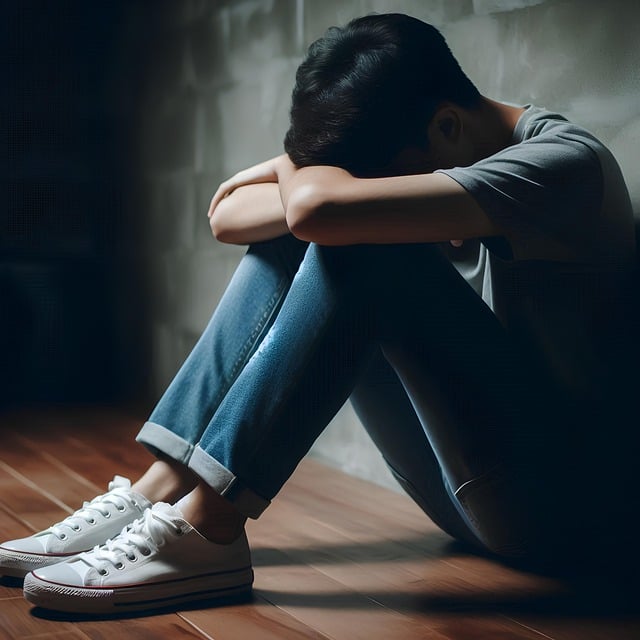
A relationship with a sociopath is emotionally exhausting. Constant control, manipulation and unpredictable behaviour can lead to feelings of anxiety, depression and low self-esteem. Sociopaths often switch from charming to cold and heartless at the snap of a finger, which can cause emotional confusion and insecurity. A sociopath’s partner often goes through an emotional rollercoaster that is unsustainable in the long term.
4. Psychological and physical harm
In some cases, a relationship with a sociopath can lead to psychological and physical harm. Sociopaths have no pangs of conscience and are able to cross any line to get what they want. This can include verbal abuse, humiliation, physical violence or even criminal offences. A sociopath’s partner may be exposed to constant stress and danger, which has a negative impact on their mental and physical health.

5. Financial losses
Sociopaths often exploit their partners financially. They manipulate them into lending them money, paying their debts or funding their lifestyle. Many sociopaths are so charming and persuasive that they can convince their partners to make financial sacrifices they would never normally agree to. This can lead to serious financial problems and debt.
6. Loss of self-esteem and identity
Sociopaths have the ability to destroy their partners’ self-esteem. Constant criticism, humiliation and manipulation lead the victim to start doubting their own worth and abilities. Sociopaths often sow seeds of insecurity and doubt, which results in a loss of identity and self-confidence. A sociopath’s partner may feel worthless and lost, which makes it harder to leave the toxic relationship.
7. Consequences after the relationship ends
Ending a relationship with a sociopath is often very difficult and painful. Sociopaths do not want to give up their control and may resort to various tactics to keep their partner. They use threats, promises to change or even violence to prevent a break-up. If the victim manages to end the relationship, they often have to cope with long-term consequences such as psychological problems, financial difficulties and the need to rebuild their self-confidence and identity.
How to recognise a sociopath
It is important to be able to recognise the warning signs that may indicate you are dealing with a sociopath. These signs include:
- Lack of empathy: Sociopaths are unable to genuinely feel remorse or compassion for others.
- Lying and cheating: Chronic lying and cheating are common.
- Manipulative behaviour: Using manipulation to achieve personal goals.
- Narcissism: An exaggerated sense of self-importance and a need for constant admiration.
- Impulsiveness: A tendency to act regardless of the consequences.
- Lack of responsibility: Avoiding responsibility for their actions and blaming others.
How to protect yourself
If you suspect that your partner is a sociopath, you should take steps to protect yourself:
- Educate yourself: Read about sociopathy and learn to recognise the warning signs.
- Seek support: Talk to friends, family or professionals who can give you advice and support.
- Set boundaries: Be firm in setting boundaries and do not allow your partner to manipulate or control you.
- Consider ending the relationship: If the relationship is unsustainable and harmful, consider ending it safely and seeking help in this difficult situation.
A relationship with a sociopath can be destructive and has serious consequences for emotional, psychological and physical health. It is important to recognise the warning signs and protect yourself from manipulation and abuse. If you suspect that your partner is a sociopath, seek help and support so that you can rebuild your life and self-esteem. Remember that you have the right to a healthy and respectful relationship in which you are loved for who you are.

