
Do you think some of the world’s dishes are simply inedible? You might be surprised how far gastronomy can go! There are dishes that look like a scene from a horror film, smell like rubbish forgotten for a week and taste so bad that you would rather not know what they are made of. Yes, today we are looking at the most disgusting foods in the world: dishes that can shock even the most hardened gourmets.
Imagine cheese full of maggots, rotten fish or food that is still moving on the plate. Eating habits differ around the world, and while we tuck into svíčková (beef sirloin in cream sauce), people elsewhere enjoy fermented shark meat or bird embryos. If you have just made yourself a snack, you might want to put it aside. This list of the most revolting foods in the world is not for the faint-hearted!
Table of contents
Criteria for the most disgusting foods in the world
Before we get to the ranking itself, let us explain how we chose each of these “specialities”. Let’s be honest: some people are traumatised by the raisins in Christmas bread, but that does not mean the bread deserves a place on our list. To join the elite of revolting food, a dish had to meet at least one of the following criteria:
- Unusual ingredients: if the recipe includes live maggots, rot or animal parts that usually end up in the bin, we have reason to take notice.
- Extreme smell or taste: some foods have such a strong odour that they are banned on public transport. Others taste as if someone had combined ammonia with a mouldy sock.
- Psychological aversion: eating food that is still moving? Or an egg that stopped being just an egg long ago? If you have to talk yourself into eating it, we have a winner.
The most disgusting foods in the world
And now for the main course! Meet ten dishes that can startle even the most hardened eaters. Some smell terrible, others look as if they have already gone through several stages of decay, and with some it is better not to ask what is actually floating in them.
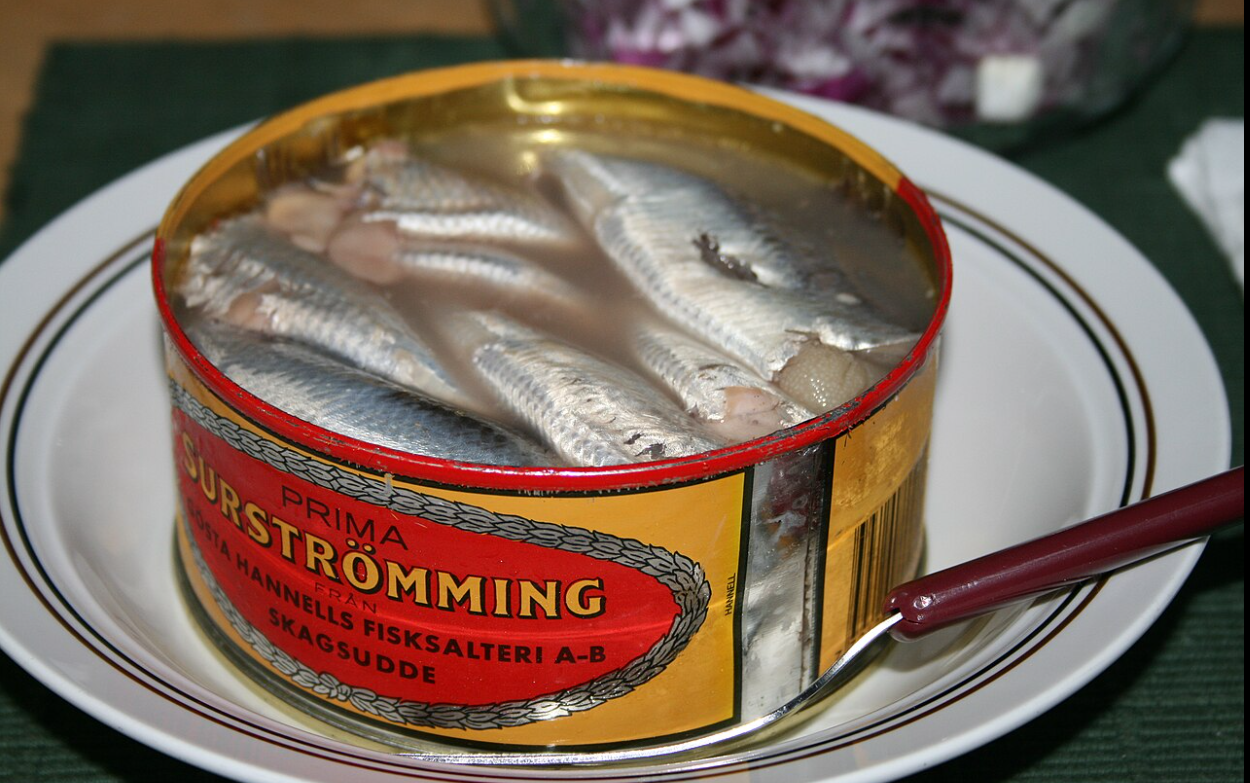
1. Surströmming (Sweden), tinned fish you should never open indoors
The Swedes took ordinary herring, let it ferment in a barrel and then packed it into tins, where it happily keeps fermenting. The result? A stench so strong that some airlines have banned this delicacy on board. If you think you have experienced something worse, try opening a tin at home, and have your notice to your landlord ready.
The internet is full of videos of people trying surströmming, but most attempts end with gagging. An American YouTuber described his experience like this:
“I opened the tin in the back garden. My dog ran away. My girlfriend started coughing. And me? I barely got close before my stomach turned. The smell is like rotten fish mixed with toilet cleaner. Never again.”
Swedes, however, claim that with the right accompaniments (bread, onion and potatoes), surströmming can be genuinely tasty. The key to success is apparently to open it outdoors and breathe as little as possible.
Only a small part of the population has taken to this Swedish treasure. Just 600,000 tins are produced each year, which means it is enjoyed by only a handful of brave souls.
2. Casu Marzu (Sardinia, Italy), when cheese needs a bit of life
Do you like cheese? What if maggots live in it? Casu Marzu is a traditional Sardinian cheese in which fly larvae break down the fat, giving it its unique texture. The catch? When you bite into it, the maggots can literally jump into your face. And if you do not chew them quickly enough, they continue their journey through your digestive tract.
A British traveller described his experience like this:
“I was prepared for the smell and the taste, but as soon as I saw the maggots moving, I got goosebumps. I forced myself to eat a piece, but honestly? Never again.”
Casu Marzu is banned in the European Union, but Sardinians keep making it. The price? As much as 100 euros for a small piece!
3. Hákarl (Iceland), a shark that should have stayed in the sea
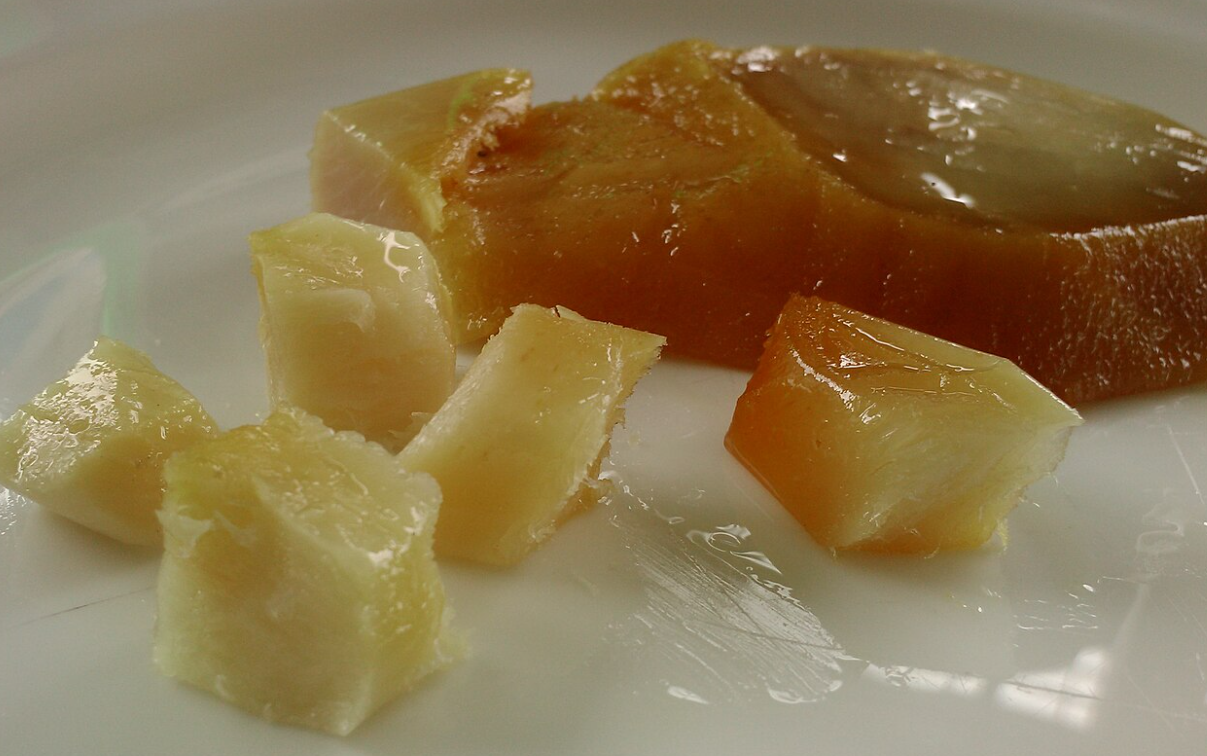
This Icelandic national treasure is made by burying a shark in the ground, where it rots for several months. The result is meat that smells of ammonia and will reliably clear your sinuses. Locals love it, while tourists try to spit it out before it paralyses their taste buds.
The famous chef Gordon Ramsay once tasted it on a television programme and spat it out immediately. Anthony Bourdain, the legendary travelling gourmet, declared that hákarl was “the worst thing he had ever put in his mouth”.
Locals, however, eat it with enthusiasm, often with the Icelandic spirit Brennivín, which is meant to neutralise its intense flavour. The secret to success seems to be the right drink combined with firm determination. The spirit is probably so strong that you can no longer taste anything.
4. Balut (Philippines), an egg with a surprise
At first glance, it looks like an ordinary duck egg. But inside there is no yolk, just an almost fully developed embryo. With feathers, a little beak and bones. Locals eat it on the street the way we eat a hot dog, but most foreigners have to steel themselves for the first bite.
Around 500 million are sold in the Philippines every year, which is roughly 1.3 million baluts a day!
5. Century egg (China), an egg that took a few months off
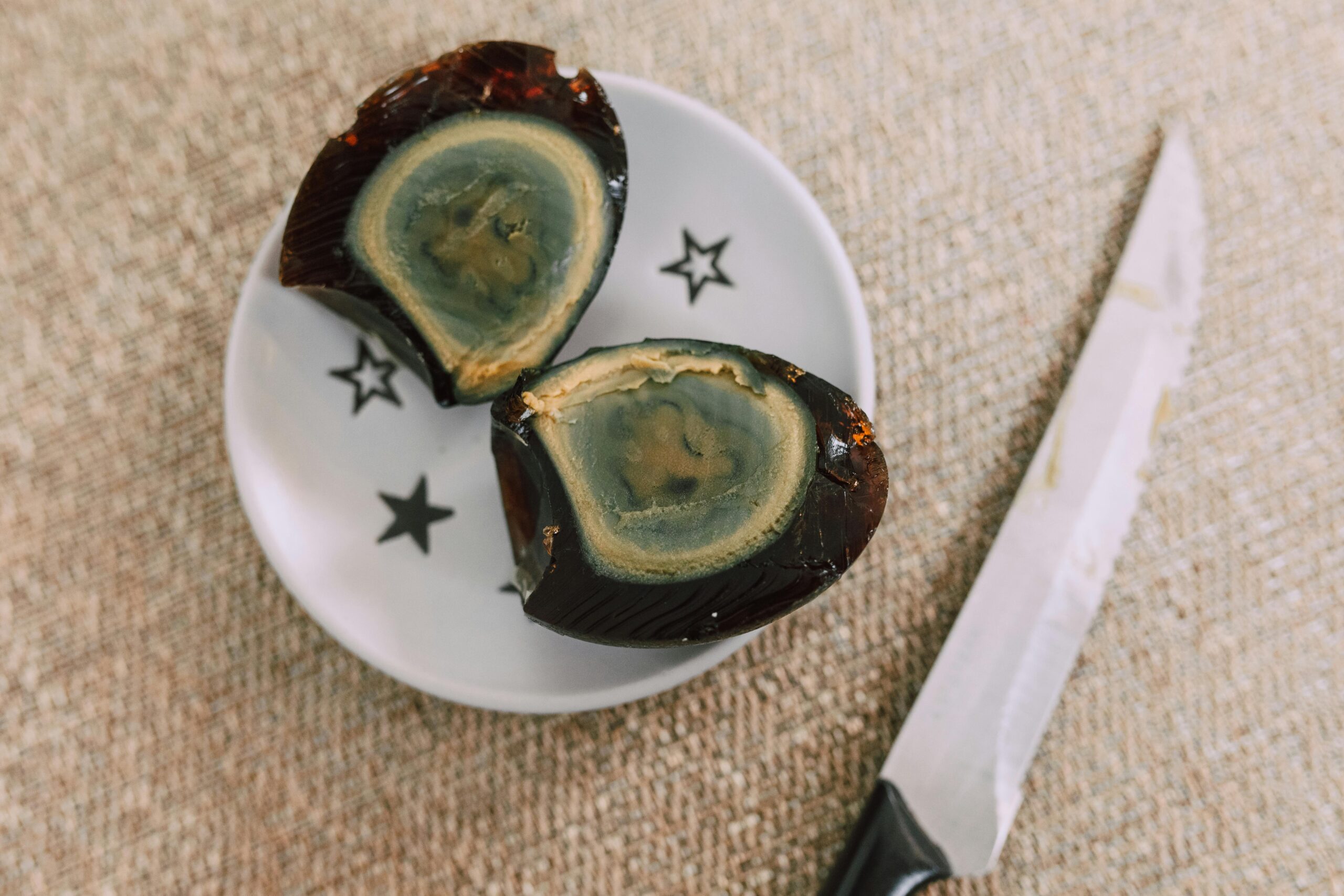
An egg that has matured for several months in a mixture of clay, lime and ash to gain its characteristic dark green colour and a smell reminiscent of rotten sulphur. In China it is considered a delicacy, but most Westerners struggle just to look at it.
6. Kiviak (Greenland), if bird mummies could talk…
Greenlandic Inuit took hundreds of small birds, stuffed them into a sealskin and left them to ferment for several months. The result is a powerfully smelling mass that locals eat at festive occasions in winter. If you ever fancy some preserved birds, you know where to go.
7. Stinkheads (Alaska, USA), when salmon decides to really stink
A salmon head buried in the ground and left to its fate for several weeks. The result? A slimy, strong-smelling mass that locals consider a delicacy. Tourists? They usually end up at a safe distance, holding their noses.
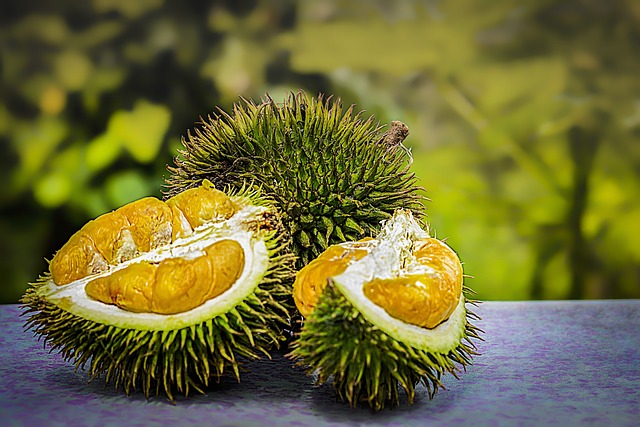
8. Durian (Southeast Asia), king of fruits or a stench that knocks you out?
A tropical fruit whose smell is like rotten onions, garlic and sweaty socks all in one. Some countries ban eating it in public because it can reliably clear a room. But apparently it tastes great… if you can get past the smell.
Although many people find it disgusting, more than 600,000 tonnes of it are eaten in Southeast Asia every year.
9. Ttongsul (South Korea), when alcohol is not strong enough
A medicinal drink made from fermented human excrement. Yes, you read that correctly. This “traditional remedy” was supposed to help wounds heal and strengthen immunity. Fortunately, it is hardly ever made today, but it used to be a common part of Korean folk medicine.
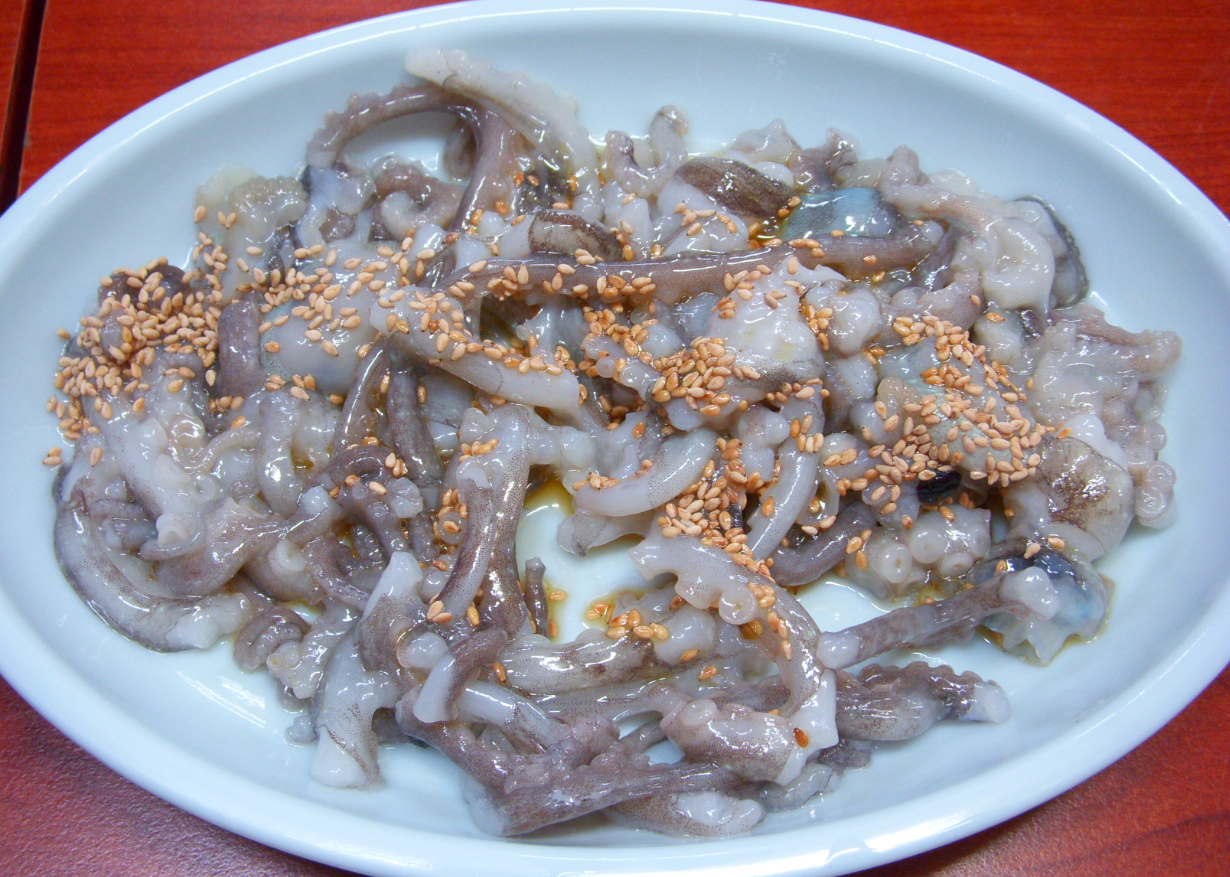
10. Sannakji (South Korea), when food fights back
A live octopus cut into pieces that are still moving on the plate. The problem? The tentacles can stick to your tongue or even your throat. That is why it is recommended to chew thoroughly before the food does something you did not expect.
Are you brave enough to try any of these? Or was reading about them enough?
The psychology of food aversion
Imagine a plate in front of you with something that smells of ammonia, looks like a science experiment and is still moving. Your first reaction? Instinctive disgust. But why? What makes us look away, hold our noses and shake our heads, while someone else happily has the same thing for lunch?
1. An evolutionary defence mechanism
The human brain is wired to protect us from potentially dangerous food. A strong smell of rot or ammonia signals that something has gone through so much fermentation (or decomposition) that it could cause us serious health problems. Thanks to this instinct, our ancestors avoided spoiled food, and we still have this instinct
For example, the fermented shark meat hákarl or the notorious surströmming are among the most disgusting foods in the world precisely because of their intense smell, which reminds many people of something inedible or even poisonous.
2. Cultural differences in how we perceive food
What seems disgusting to us may be a real delicacy in another culture. While people in Scandinavia love rotten herring, people in Southeast Asia enjoy fermented eggs and fried crickets. In the same way, some Czech dishes may seem revolting to people from other parts of the world. Olomouc cheese (olomoucké syrečky) or brawn, for example, are not exactly a hit abroad.
3. Texture and appearance, we also eat with our eyes
Your brain judges not only the taste and smell of food but also how it looks. Slimy, sticky or moving dishes can trigger an instinctive feeling of disgust. For many people, the idea of putting food in their mouth that is still moving, such as Korean sannakji (live octopus), is completely unacceptable. In the same way, people often refuse dishes with an unusual colour or a suspicious sheen, for example the century egg, which is black, jelly-like and smells of sulphur.
4. The influence of upbringing and habits
Each of us grew up with certain eating habits. If we never tasted heavily fermented foods or dishes with a strong smell, we probably won’t enjoy them as adults. People tend to prefer familiar flavours and avoid those that are not part of their everyday diet. That is why the most disgusting foods in the world can seem so repulsive to us.
5. The phenomenon of “extreme delicacies”, why do some people seek them out?
Although most people tend to avoid the most disgusting foods, there are adventurers who deliberately seek them out. Why? Perhaps for the adrenaline, a desire to try something extreme, or simply to test the limits of their stomach. Often it is also about getting to know another culture or showing off a unique experience, because saying “I ate rotten shark and survived” certainly sounds more interesting than “I had spaghetti for lunch”.
Whether you are put off by smelly fish, cheeses full of larvae or dishes with a dubious texture, one thing is certain: disgust for food is not only about taste but also about our brain, culture and experience. And who knows, perhaps one day you will overcome your prejudices and taste something you never dared to try!
What about you? Would you dare to try any of these dishes?
As you can see, the most disgusting foods in the world are not just a matter of taste but also of strong stomachs, cultural customs and sometimes extreme courage. Some of them are so notorious that they have become a viral phenomenon online. For some they are a delicacy, for others a nightmare. But whatever we think of them, one thing cannot be denied: they are part of cultural heritage, and for local people they often have a deeper meaning than just a taste experience.
What do you think? Would you try rotten shark, or was reading about it enough? And if you know of an even worse food experience, let us know! Perhaps your nightmare belongs on our list!

