

Autumn is a season of rain, fog and lower temperatures. It is the perfect time to snuggle up under the duvet, put on a film and tuck into a slice of pumpkin pie. Or would you rather warm up with pumpkin soup? Enjoy it roasted or fried? It is delicious every way! We bring you inspiration for 10 pumpkin recipes plus two quick bonus recipes. If you are looking for general autumn recipes, you will find them in a separate article.
The short answer. For most recipes, Hokkaido pumpkin works best, as you do not need to peel it; just scoop it out and cut it up. Butternut squash and Muscat pumpkin have a more delicate flesh and shine in creamy soups, purées and roasting. Pumpkin cubes take roughly 25 to 30 minutes to roast in the oven at 200 °C. According to the American database USDA FoodData Central, 100 grams of raw pumpkin has just 26 kilocalories, and its richest nutrient is beta-carotene, which the body turns into vitamin A.
Table of contents
Benefits of eating pumpkin
This annual autumn favourite is nutritious yet light. It is richest in beta-carotene, which the body turns into vitamin A, and it also contains vitamins C, B1 and B2 as well as minerals such as potassium, magnesium and iron. A warm pumpkin soup simply belongs to autumn evenings when you want to unwind and slow down. However, take the healing properties attributed to pumpkin in folk medicine with a pinch of salt. Pumpkin is a tasty and nutritious food, not a medicine. If you have kidney disease and your doctor has limited your potassium intake, ask them about pumpkin too. Otherwise, it is well worth eating in any form.
If you are trying to lose weight, you may be pleased to hear that pumpkin is low in calories, which is why it is often used in diet recipes. In terms of calories, it has fewer than potatoes or rice, for example. It also contains fibre, which is very important for the body.
Just as everything has two sides, pumpkin has one drawback, or rather something you should watch out for. The juice that seeps from the flesh just beneath the skin when peeling can irritate the skin of more sensitive people, so it is better to wear gloves when peeling. Otherwise, the only downside is the extra work, as it needs to be scooped out, but the effort is worth it.
Nutritional values of pumpkin
Precise figures are available from the American food database USDA FoodData Central, run by the US Department of Agriculture. Hokkaido pumpkin is not listed separately, so the closest entries are generic pumpkin and butternut squash. The values in the table are for 100 grams of raw flesh, and for the seeds per 100 grams of dried hulled kernels.
| Per 100 g | Raw pumpkin | Raw butternut squash | Dried pumpkin seeds |
|---|---|---|---|
| Energy | 26 kcal | 45 kcal | 559 kcal |
| Water | 91.6 g | 86.4 g | 5.2 g |
| Protein | 1.0 g | 1.0 g | 30.2 g |
| Fat | 0.1 g | 0.1 g | 49.1 g |
| Carbohydrates | 6.5 g | 11.7 g | 10.7 g |
| Fibre | 0.5 g | 2.0 g | 6.0 g |
| Vitamin A | 426 µg | 532 µg | 1 µg |
| Vitamin C | 9 mg | 21 mg | 1.9 mg |
| Potassium | 340 mg | 352 mg | 809 mg |
| Magnesium | 12 mg | 34 mg | 592 mg |
| Iron | 0.8 mg | 0.7 mg | 8.8 mg |
| Zinc | 0.3 mg | 0.2 mg | 7.8 mg |
For comparison, according to the same database, 100 grams of raw potatoes has 77 kilocalories, roughly three times as much as raw pumpkin. Pumpkin is therefore a much lighter side dish than potatoes. It stands out most for its vitamin A, which it contains in the form of beta-carotene. This is fat-soluble, so prepare pumpkin with a little oil or butter.
The American newsletter Tufts Health & Nutrition Letter, published by Tufts University, points out another advantage in an article from 15 November 2013 (updated 25 September 2020): “A single cup of cooked pumpkin contains 564 milligrams of potassium, more than a banana.” An American cup of cooked pumpkin weighs about 245 g. Raw pumpkin has less fibre than you might expect. To see where you can find more, take a look at our overview of high-fibre foods.
Types of pumpkin and what to cook with each
In shops and at markets, you will most often come across four types of edible pumpkin. They differ in flavour, in how much water the flesh contains and in whether you need to peel them, so each suits something different. Pumpkin is a typical autumn ingredient. To find out what else is worth buying in season, see our article on seasonal foods throughout the year.
- Hokkaido is a smaller orange pumpkin with firm, sweet and slightly nutty flesh. The skin softens during cooking and roasting, so you do not need to peel it. It works for practically everything: soup, roasting, patties, gnocchi and pie. You will find more recipes specifically for it in the article the best Hokkaido pumpkin recipes.
- Butternut squash is pear-shaped, with beige skin and delicate, creamy flesh that is almost free of fibres. Its seeds are only in the wider bottom part, so you get plenty of flesh from it. It is ideal for creamy soups, purées, risotto and roasting.
- Muscat pumpkin is large, flat and ribbed, with dark orange, fragrant and sweet flesh. It is often sold in pieces. It is good for soups, purées, pies and bakes.
- Spaghetti squash has yellow skin and flesh that, once roasted, separates into thin strands resembling spaghetti. You can use it as a lighter alternative to pasta, for example with tomato sauce.
Large pumpkins such as the Goliath variety have watery, less flavourful flesh. In the kitchen, they are mainly used in compotes, jams and soups, where spices round out the flavour, but most end up as Halloween decorations. You will find ideas in the article autumn decorations: how to decorate your home.
Do not buy ornamental pumpkins and gourds for eating. According to the National Institute of Public Health (Státní zdravotní ústav) (July 2025), they contain toxic cucurbitacins, you cannot tell them apart from edible pumpkins by sight, and these substances are not destroyed by boiling or freezing. If any pumpkin tastes bitter when you try it, do not eat it and throw it away. Spices and sugar will mask the bitterness, but not its effect.
How to peel and cut a pumpkin
You do not need to peel Hokkaido. Simply wash it, cut off the stalk and the base, halve it and scoop out the seeds and fibres with a spoon. The skin softens in soup and in the oven, and once blended you will not notice it. Peel butternut squash and Muscat pumpkin before cooking, as their skin stays tough. The exception is roasting them in halves, when you spoon the flesh straight out of the skin.
Cut a hard pumpkin on a stable surface. Put a damp tea towel under the chopping board so it does not slip, and cut off both ends so the pumpkin stands on a flat surface. Cut butternut squash where it narrows and stand both parts on their cut sides. Then slice the skin off from top to bottom with a sharp knife, or use a sturdy peeler. Scoop out the peeled pieces and cut them into cubes or wedges as the recipe requires.
If a raw pumpkin will not cut, pierce it with a fork in several places and put it in the microwave or a preheated oven for a few minutes. The skin will soften and the knife will go in more easily. Wearing gloves when peeling is not overcautious, either. In May 2022, dermatologists Milaan Shah and Steven Feldman described in the journal Case Reports in Dermatology a man whose skin on his palm and fingers stiffened within 10 to 15 minutes of peeling a butternut squash and then began to peel. Even they do not know the cause. “The allergen in butternut squash that causes the dermatitis is unknown,” the authors write.
Ten tried-and-tested pumpkin recipes
Let us move on to 10 recipes in which you can use pumpkin. We will show you both sweet and savoury ones, so there is something for everyone. All that is left is to pop to the shop and head to the kitchen!
1) Pumpkin soup
A great lunch or dinner that warms you up and fills you up. It is sweet, but thanks to the spices it also has a bit of a kick, and at the same time it is wonderfully creamy. Simply irresistible!
You will need:
- Hokkaido pumpkin or butternut squash
- 2 onions
- olive oil
- 700 ml vegetable stock
- 100 ml whipping cream
- salt
- pepper
- chilli
Method:
- Fry the chopped onion in olive oil until translucent.
- Cut up the pumpkin (no need to peel Hokkaido) and add it to the onion. Cook like this for another 10 minutes.
- Pour the prepared stock over the pumpkin and leave it to soften for 15 minutes.
- Once the pumpkin is soft, take a stick blender and blend it into a soup.
- Pour in the cream, season with pepper, chilli and salt, and simmer for a little while.
- Serve with your favourite bread. Enjoy!
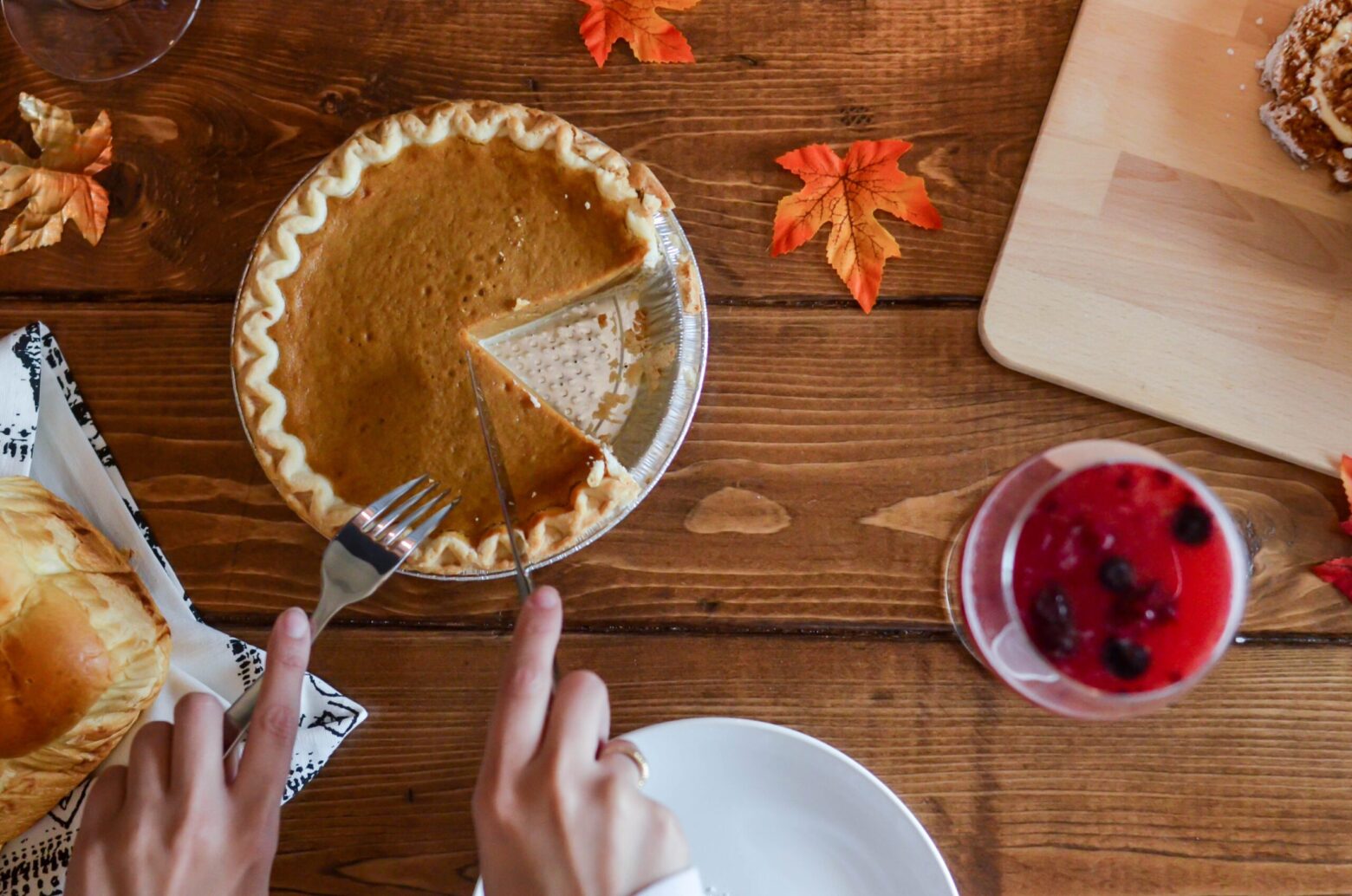
2) Pumpkin pie
The classic American Pumpkin Pie. How many of you have tried it? Bake it yourself, there is nothing complicated about it!
You will need:
Pastry
- 110 g butter
- 30 to 50 ml water
- 175 g plain flour
- 15 g cane sugar
- salt
Filling
- 3 eggs
- 1 to 2 cloves
- 1 teaspoon ground cinnamon
- 120 ml whipping cream
- 0.5 teaspoon ground ginger
- 100 g cane sugar
- 400 g pumpkin
Method:
- Mix the flour, sugar and salt in a bowl. Add the butter cut into slices, take a hand mixer and make a crumbly mixture.
- Pour in the water and work it into a dough by hand. Then wrap it in cling film and put it in the fridge for about an hour.
- For the filling, start by whisking the three eggs.
- Continue with the cane sugar, cream and salt, and mix everything together.
- Add the cinnamon, crushed cloves and ground ginger.
- Take the pumpkin, cut it in half and remove the seeds.
- Put the pumpkin cubes in a pan of water and boil for 10 to 15 minutes until soft.
- Blend into a purée, then add it to the mixture and stir.
- Take the pastry out of the fridge, roll it out and put it in a tin, then trim the edges.
- Prick the base with a fork, pour the mixture onto the pastry and bake in an oven preheated to 190 °C for 40 to 45 minutes. The edges should be golden and the filling set.
- Enjoy!
3) Pumpkin patties
For vegetarians it can be hard to keep finding new recipes that replace meat. These pumpkin patties are just for them, and they go perfectly with a side dish.
You will need:
- 2 cloves of garlic
- 2 eggs
- 1 onion
- 1 carrot
- 400 g Hokkaido pumpkin
- salt
- pepper
- marjoram
- breadcrumbs
- oil for frying
Method:
- Wash the pumpkin, cut it in half and scoop out the inside.
- Grate the pumpkin, salt it and leave it for a while to release its water.
- Squeeze out the water and grate the carrot as well.
- Finely chop the onion and mix it with the egg, crushed garlic and spices into one mixture.
- If the mixture needs thickening, use flour.
- Shape patties with your hands, coat them in breadcrumbs and fry them in a pan.
- Serve with mashed potatoes or potatoes.
- Enjoy your meal!
4) Roasted pumpkin
Roasted pumpkin has a slightly sweet taste, which makes it a great addition to potatoes or another side dish. You can also use it at a summer barbecue as a vegetarian alternative to meat.
You will need:
- Hokkaido pumpkin
- oregano
- ground pepper
- salt
- olive oil
Method:
- Scoop out the pumpkin and cut it into wedges, brush with olive oil and sprinkle with oregano, pepper and salt.
- Roast in the oven at 180°C for 30 to 40 minutes. Turn regularly so that both sides are cooked through.
- Enjoy your meal!
5) Pumpkin risotto
Italian risotto is simply a delicacy, and you do not have to enjoy it only in Italian restaurants. You can make it at home too.
You will need:
- 70 g butter
- onion
- pumpkin
- 300 g short-grain rice
- 250 ml white wine
- 1.5 l stock
- Parmesan
- salt
- pepper
- 120 g mascarpone
Method:
- Melt the butter in a pan, add the onion and let it soften for 5 minutes.
- Add the scooped-out, chopped pumpkin to the onion and fry for 10 minutes.
- Add the rice and the wine and let the wine evaporate.
- Gradually pour in the stock, stirring, and cook for another 25 to 30 minutes until the rice is al dente.
- Sprinkle with Parmesan, add salt and pepper, and garnish with mascarpone.
- Enjoy your meal!
Tip: If you like rice, don’t forget to learn how to make proper sushi rice too. The ways you can use it are almost endless.
6) Pumpkin bread
So that we are not only cooking, let’s bake something too. Pumpkin bread is ideal for autumn breakfasts. It works well for breakfast and snacks, with or without butter. How do you make it?
You will need:
- 400 g pumpkin
- 200 g plain flour
- 200 g wholemeal spelt flour
- 1/2 sachet of instant yeast
- 3 tablespoons olive oil
- salt
- pumpkin seeds
- water
Method:
- First, boil the diced pumpkin until soft.
- After cooking, blend it and let it cool.
- In a bowl, combine the plain and spelt flour, yeast, salt, pumpkin seeds, olive oil and pumpkin purée, and add 100 to 150 ml lukewarm water.
- Form a dough and leave it to rest in a warm place for an hour.
- Once it has risen, knead the dough and transfer it to a loaf tin that you have greased beforehand so the bread does not stick.
- Sprinkle more pumpkin seeds on top and leave to rise again for 15 minutes.
- Bake at 180°C for about 45 minutes, then let it cool and cut into slices.
- Enjoy your meal!

7) Pumpkin gnocchi with bacon
Do you like gnocchi? Try making your own from pumpkin! You can add bacon, vegetables or any sauce you like.
You will need:
- 300 g Hokkaido pumpkin
- 300 g potatoes
- 150 g semi-coarse flour
- 100 g plain flour
- 1 tablespoon potato starch (Solamyl)
- 1 egg
- 1 teaspoon salt
- 0.5 teaspoon dried garlic
- a pinch of ground coriander
- 0.3 teaspoon ground ginger
- bacon
- onion
- pepper (capsicum)
- garlic
- 100 ml white wine
Method:
- Roast the scooped-out, chopped pumpkin and the potatoes in the oven at 180°C until soft.
- Press or finely grate the roasted ingredients and add the egg, both flours, potato starch, salt, dried garlic, ground coriander and ground ginger.
- Mix everything thoroughly and roll out the dough on a floured board.
- Shape the dough into a roll about 1.5 cm in diameter and cut off pieces about 1 cm long.
- Dust the gnocchi with plain flour and drop them into boiling salted water for 8 to 10 minutes.
- Drain the gnocchi and drizzle them with olive oil to stop them sticking together.
- Fry the bacon and onion in oil until lightly browned. Add the chopped pepper and crushed garlic and fry again. Then pour in the wine.
- Once the wine has evaporated, mix the sauce with the gnocchi and serve.
- Enjoy your meal!
8) Pumpkin spice latte
This drink is hugely popular every autumn season at Starbucks Coffee. But you do not have to spend crazy amounts on it. Make it yourself!
You will need:
- 2 cups water
- a cup of sugar
- a cup of pumpkin purée (boil pieces of pumpkin and blend)
- a teaspoon of ground cinnamon
- half a teaspoon of cardamom
- allspice
- nutmeg
- a vanilla pod
Method:
- Heat the water and sugar together over a low heat until the sugar dissolves.
- Add the spices, pour in the purée and simmer the whole mixture for 5 minutes.
- Strain it through a sieve into a container where you will keep your Pumpkin spice latte mixture. Store the syrup in the fridge and use it within three to four days, or freeze it.
- All that is left is the coffee itself. Make an espresso in a mug, add 1 teaspoon of syrup, froth some milk and top with whipped cream.
- Sprinkle with cinnamon and enjoy a moment of relaxation!

9) Pumpkin shake
And we continue with drinks! Second to last is a pumpkin shake, which is great both warm and cold.
You will need:
- 50 g Hokkaido pumpkin
- 50 g plain yoghurt
- 150 ml (plant-based) milk
- a few dates
- a teaspoon of pumpkin spice
Method:
- Scoop out the pumpkin, cut it into small cubes and boil or roast until soft. Let it cool.
- Put the cooked pumpkin in a blender, add the other ingredients and blend.
- If needed, the shake will keep in the fridge for two days.
- Enjoy!
10) Vitamin pumpkin drink
When you fancy something fresh, make a vitamin pumpkin drink with orange that will give you a nice boost in the morning!
You will need:
- 1/2 small Hokkaido pumpkin
- 2 oranges
- 1 to 2 tablespoons honey
- ground cinnamon
- 1 tablespoon lemon juice
- 200 ml water
Method:
- Scoop out the pumpkin and cut it into cubes, drop them into hot, lightly salted water and simmer for 10 to 15 minutes until soft.
- While the pumpkin is cooking, prepare the oranges. Peel them, remove the pips and cut them into cubes.
- Drain the pumpkin and put it in a blender with the orange, honey, cinnamon, lemon juice and water.
- Blend and pour into a glass.
- Enjoy!
Two extra quick pumpkin recipes
Roasted pumpkin soup is one of the most searched-for pumpkin recipes. Compared with the boiled version from the first recipe, it has a stronger, slightly caramel flavour, and it takes almost the same amount of work. You can find more soups in the article easy healthy soup recipes.
The second recipe is handy for dinner when you do not want to stand at the hob. You just prepare the pumpkin, put it in the oven and the heat does the rest. A green salad is all you need with the baked pumpkin.
Roasted pumpkin soup
A creamy soup for four in which the pumpkin, carrot, onion and garlic are roasted first and only then blended. Both Hokkaido and butternut squash work well.
Preparation time 15 minutes, roasting 35 minutes, finishing 5 minutes, about 55 minutes in total.
Ingredients
- 1 kg Hokkaido pumpkin or butternut squash
- 1 onion (about 100 g)
- 1 carrot (about 100 g)
- 3 cloves of garlic
- 2 tablespoons olive oil (20 ml)
- 800 ml vegetable stock
- 100 ml coconut milk or cooking cream
- salt, pepper and a pinch of ground nutmeg
- 20 g pumpkin seeds to garnish
Method
- Preheat the oven to 200°C. Scoop out the pumpkin and cut it into cubes of about 3 cm. Do not peel Hokkaido, but peel butternut squash.
- Cut the onion into quarters and the carrot into rounds. Put everything on a baking tray lined with baking paper, add the unpeeled garlic cloves, drizzle with oil and salt.
- Roast for 30 to 35 minutes until the pumpkin is soft and the edges start to turn golden.
- Transfer the roasted vegetables to a pan and squeeze the garlic out of its skins. Pour over the hot stock and simmer for 5 minutes.
- Blend until smooth with a stick blender, stir in the coconut milk or cream and season with salt, pepper and nutmeg.
- Dry-toast the seeds in a pan for 3 to 4 minutes and sprinkle them over the soup in the bowl. Enjoy your meal!
Baked Hokkaido pumpkin with cheese
A simple dish for two as a main course or for four as a side with meat. You do not need to peel the Hokkaido here, as the skin softens in the oven.
Preparation time 10 minutes, baking 40 minutes, about 50 minutes in total.
Ingredients
- 1 Hokkaido pumpkin (about 1 kg)
- 2 tablespoons olive oil (20 ml)
- 2 cloves of garlic
- 1 teaspoon dried thyme or oregano
- 100 g grated cheese (Edam, Gouda or mozzarella)
- 50 g Balkan-style white cheese or feta (optional)
- salt and pepper
Method
- Preheat the oven to 200°C. Wash the pumpkin, cut it in half and scoop out the seeds with a spoon. Keep the seeds for toasting.
- Cut the unpeeled pumpkin into cubes of 2 to 3 cm and put them in a roasting tin.
- Add the oil, crushed garlic and thyme, season with salt and pepper and mix everything so the cubes are coated.
- Bake for 30 minutes, stirring the cubes once halfway through.
- Sprinkle with the grated and crumbled cheese and bake for another 10 minutes until golden.
- Serve with a green salad or as a side dish. Enjoy your meal!
How long to roast pumpkin
Baking time depends mainly on the size of the pieces and less on the type of pumpkin. At 200 °C, or around 180 °C in a fan oven, allow roughly the following times.
- cubes of 2 to 3 cm, 25 to 30 minutes
- wedges about 2 cm thick, 25 to 35 minutes
- Hokkaido halves, 40 to 50 minutes
- butternut squash halves, 45 to 60 minutes
- whole small Hokkaido, 50 to 60 minutes
You can tell the pumpkin is done when a fork slides in without resistance and the edges start to turn golden. Spread the pieces on a baking tray in a single layer so they roast rather than steam, and turn them halfway through. At a lower temperature, such as 180 °C as for the roasted pumpkin in recipe number 4, add five to ten minutes.
Roasted pumpkin is sweeter and more intense than boiled pumpkin because some of the water evaporates and the surface caramelises. For soup or purée, it is therefore worth roasting the pumpkin first and only then blending it.
What to do with pumpkin seeds
Don’t throw away the seeds you scoop out of a Hokkaido or butternut squash. They have a thin white husk, and once roasted they are crunchy and can be eaten whole. The green hulled seeds sold in shops usually come from the oil pumpkin, known as the Styrian pumpkin, whose seeds have no hard shell.
- Separate the seeds from the fibres and rinse them in a sieve under running water.
- Dry them with a tea towel and toss them with a teaspoon of oil and a pinch of salt, or ground paprika if you like.
- Spread them on a baking tray in a single layer and roast at 160 °C for about 15 to 20 minutes, stirring halfway through.
- They are ready when they turn golden and start to pop. Let them cool and store them in a sealed jar.
According to the USDA database, dried hulled seeds contain 559 kilocalories, 30 grams of protein, 592 milligrams of magnesium and 7.8 milligrams of zinc per 100 grams. There is no official recommended daily intake for pumpkin seeds. A sensible portion is a handful, around 30 grams, which provides roughly 170 kilocalories and 178 milligrams of magnesium.
Sprinkle the seeds over soup, salad or breakfast porridge, add them to the pumpkin bread from recipe number 6, or blend them with oil and cheese to make pesto. Like nuts, they are rich in fat and energy, so eat them by the handful rather than in larger amounts. You can find an overview of nuts in the article the healthiest nuts and why to eat them every day.
How to store and freeze pumpkin
Whole, undamaged pumpkins with their stalks keep for a long time in a cool, dry room. “Store cured squash at 50 to 55 °F with moderate humidity and good air circulation. Don’t let the temperature drop below 50 °F,” advises Kym Pokorny of the Oregon State University Extension Service in an article from August 2023. Cured means left somewhere warm for a few days after harvest so that the skin hardens. This corresponds to roughly 10 to 13 °C, and a pantry, cellar or cool hallway is ideal. So don’t put a whole pumpkin in the fridge.
According to the same source, ordinary pumpkins and butternut squash keep for two to three months, and large hubbard-type squash for up to six months. Leave the stalk on the pumpkin, as it stores less well without it. The exception is the hubbard type, which keeps longer without a stalk. Wrap cut pumpkin in cling film or put it in a container, store it in the fridge and use it within a few days.
Purée is the most practical way to freeze pumpkin. Roast or boil the pumpkin until soft, blend it and cool it quickly, for example by standing the bowl in cold water. Then divide the purée into containers or flat bags in portions you will use at once, leaving about 1.3 centimetres of space at the top of containers. You can also freeze raw cubes, but they turn watery once thawed and are best used in soups.
Purée, on the other hand, should not be preserved in jars. “Do not can mashed, puréed or grated pumpkin, either in a pressure canner or a water bath,” writes Stacy Reed of Penn State Extension in an article from 30 September 2024. According to her, there is no tested method that guarantees thick purée heats through enough to destroy the bacteria that cause botulism.
When the season is over, reach for shop-bought purée. “Convenient canned pumpkin purée is just as good a choice as fresh pumpkin, as long as you look for products made from 100% pumpkin with no other ingredients,” says the Tufts Health & Nutrition Letter in the article mentioned above. The purée works well in soups, porridge and healthy baking of cakes and desserts.
Pumpkin for the whole family
The great thing about pumpkin is that you can use it to make dishes and drinks for the whole family, whether for breakfast, the afternoon or the evening. Try one of the recipes at home and offer it to the rest of your household too. It is sure to be a hit!

