
Here we go again. You are trying to decide what to cook for lunch, but nothing comes to mind. As midday gets closer, the stress and the rumbling in your stomach grow, and you leaf through your old cookbook in vain. Sound familiar? Or are you the opposite, with meals planned several days ahead so you know exactly what you will have for lunch and when?
Stop worrying and get inspired by our tips for great, tasty dishes, not just for Sunday lunch, that will disappear from the plate in no time! Don’t be afraid to skip a traditional lunch now and then and just have a little superfood instead. Your body will thank you.
Short answer. When you don’t know what to cook for lunch, choose based on how much time you have and what you have at home. For a quick lunch in under 20 minutes, try pasta, chicken strips with rice or eggs in tomato sauce. When you have time, make a Czech classic such as stuffed peppers or sour lentils, and when you are on a budget, go for pulses, pearl barley and potatoes. Below you will find 44 specific tips sorted by cuisine and by situation.
 15 tips: A healthy, quick dinner in under 15 minutes!
 42 light lunches that fill you up without weighing you down
Tip: If you are currently on a diet, have a look at our selection of the 15 best diet meals.
Table of contents
What to cook for lunch?
The recipes in this article are clearly divided into several groups, according to the part of the world the dish comes from, or whether it is a main course, a soup or a dessert. At the end you will also find tips for quick, cheap and meat-free lunches and a guide to planning your cooking for the whole week. Just pick one! If you don’t want to spend ages choosing and reading, you can skip to our quick tips:
Quick tips for toasted sandwiches
Tasty recipes for spicy dishes
The Asian classic Kung Pao and its variations
The best healthy and cheap lentil recipes
Eggs
Smoothie recipes
3 tips for homemade tacos
Tip: If you are trying to lose weight, it is a good idea to cut down on both portion sizes and carbohydrates in your diet. You could try the keto diet, for example, or instead of a full lunch have just some nuts with beetroot and good-quality cheese. You will be surprised how much time and money you save, and you will feel great too.
Sometimes you not only don’t know what to cook, but you don’t feel like cooking at all and just want to be done quickly, ideally with something healthy. At the end of the article we have bonus tips for you. Let’s look at the recipes section by section, starting with Czech cuisine.
Czech and Slovak cuisine
It will surely come as no surprise that Czech cuisine is the most popular in our part of the world. Schnitzels, dumplings and lots of rich, creamy sauces that our grandmothers used to make are simply the best.
Slovak cuisine is also very close to Czech cuisine, which is why we have included it in this group. Choose one of the recipes from our Czechoslovak list and take a trip back to your childhood.

1. Dill sauce with egg and dumplings
If you love classic creamy Czech sauces, dill sauce is just the thing for you. Many people associate the taste of dill with school canteens, so they avoid dill sauce even in adulthood. However, believe us, if you put love and good-quality ingredients into the dish, the result is fabulous.

This dish is also suitable for vegetarians, as the sauce is usually served with eggs instead of meat, plus dumplings. For a lighter version, replace the dumplings with potatoes.
Tip: Try using happy eggs from free-range or organic hens. In the supermarket you will find them labelled 1 or 0. Definitely avoid eggs from caged hens, labelled 3.
2. Stuffed peppers with tomato sauce
Tomato sauce is another of the Czech sauce classics. It is most often served with bread dumplings, mashed potatoes or rice. You can combine it with slow-cooked beef that is so tender it literally falls apart on the plate.

However, we recommend peppers stuffed with minced meat. If you have a greenhouse full of peppers, pick a few of them and you can start cooking a great seasonal dish.
3. Potato dumplings stuffed with smoked meat
Czechs simply love dumplings! Potato dumplings are not as common or as widely used as bread dumplings, but that doesn’t change the fact that they taste amazing. You can serve them simply as a side dish, for example with roast St Martin’s goose, or fill them with smoked meat and sprinkle them with golden fried onions.
Tip: Do you know how to make homemade potato dough?

4. Halušky with bryndza
This Slovak classic is not exactly diet food, but everyone needs a treat now and then. Halušky are best with whipped bryndza and crispy fried bacon, which livens up every mouthful.

Some people also add sauerkraut to halušky, which gives the dish a little sourness. In Slovakia, halušky with sauerkraut are called strapačky.
5. Sour lentils with sausage
If you are short on time and don’t want to spend long in the kitchen, go for sour lentils. Pulses also contain plenty of fibre, which the body really needs.

Lentils go well with fried or boiled eggs, but they are best with a juicy grilled sausage and a sour pickled gherkin.
Tip: Have you heard of red lentils? Read these four healthy recipes for the best dishes made with them.
6. Lokše with bryndza
Another Slovak speciality that will delight you with its simplicity. Lokše are potato flatbreads spread with soured cream and bryndza and topped with fried bacon and chopped onion.

The advantage is that everyone can season this dish exactly to their liking. Lay all the ingredients out on the table and let everyone help themselves as they please.
7. Trout with butter and herbs
Fish are also an essential part of Czech cuisine. Even though we have no sea here, our rivers and ponds are full of excellent freshwater fish such as carp, zander, catfish, pike and trout.

Trout with butter and herbs is perfect for a summer weekend lunch. You can bake it, fry it and, in summer, grill it. Drizzle it with a little lemon and serve it with potatoes or a summer salad.
8. Schnitzel and potato salad
In the Czech Republic there is probably no more popular dish than breaded schnitzel with potato salad. You can make the schnitzel from chicken, pork or even turkey, and every family has its own unique recipe for real Czech potato salad.

You can also play around with the breading. Have you ever tried swapping breadcrumbs for cornflakes? Or using panko breadcrumbs?
The salad doesn’t have to be swimming in unhealthy mayonnaise either. There are countless recipes that are low in calories yet still delicious. Now and then, though, everyone should indulge properly. Schnitzel with potato salad is a popular choice for a slightly more festive lunch.
Italian cuisine
La cucina italiana, or Italian cuisine, is one of the most popular cuisines in the world. Who doesn’t love crispy pizza with a generous layer of cheese, creamy gelato or pasta made in a million different ways?
The beauty of Italian cuisine is that it is tasty, quick and simple. It mostly uses local produce and ingredients and knows how to bring out their flavour. No wonder it has spread all over the world.
In this section we introduce some typical Italian dishes that you can easily make at home.
9. Spaghetti carbonara
The famous spaghetti carbonara, silky on the outside and delicious, is a great example of how you can conjure up something special from just a few ingredients. It is finished with fried bacon and a big handful of freshly grated Parmesan.

In the Italian way, spaghetti must be cooked al dente (literally “to the tooth”). This means it is not hard, but not fully soft either. It is good to always have spaghetti at home, as it comes in handy when you don’t know what to cook.
Did you know: Did you know that the only cheese that can bear the protected name Parmesan (Parmigiano-Reggiano) comes from northern Italy? Specifically from Parma, Reggio Emilia, Modena, Mantua and Bologna.
10. Lasagne with ragù
Do you love lasagne with meat ragù as much as the cartoon cat Garfield? Then pay attention. You can make this delicacy at home too. Bear in mind, though, that it takes a lot of time to prepare, especially if you make the pasta yourself. But believe us, the result is worth it.

Traditional lasagne is made of three parts: pasta, a minced meat ragù and béchamel sauce. However, there are many other kinds of lasagne. Vegetarians will enjoy spinach lasagne, and anyone with a sweet tooth will welcome sweet lasagne.
Tip: Lasagne is at its best the next day, once it has had time to settle.
11. Italian risotto
Saffron, Parmesan, squid ink or prawn. There are many recipes for Italian risotto. What they all have in common is a buttery smoothness and a loose, flowing texture.

Risotto is made with particular types of rice. You can choose from Arborio, Nano, Carnaroli or Vialone. You can recognise it by its rounded ends. Cook the rice al dente, just like pasta.
Remember that risotto needs time, lots of time, and patient stirring until everything comes together into that wonderfully creamy consistency that coats every grain of rice.
12. Pasta al salmone
If you love salmon, the next few lines are for you. Italians often use this delicious fish in pasta dishes, where its flavour blends with a creamy sauce.

Chopped pistachios, for example, go wonderfully with this dish. Or you can try smoked salmon instead of fresh fish. In Italy, the fish is often cooked in white wine, which gives it a pleasant acidity.
French cuisine
Like Italian cuisine, French cuisine is very varied. Light, low-calorie dishes sit alongside rich, meaty ones. Meat lovers and those with a sweet tooth will all find something to enjoy. Who could forget the famous chocolate mousse that looks as if it will melt on your tongue? And how about washing it down with the finest French wine?
Here are 3 French recipes that will disappear from the table in no time.
13. Galettes, or savoury pancakes
Savoury pancakes are classic pancakes with a savoury filling, served as a main course. In France, you will find them on every corner. The fillings, and sometimes the way the pancakes are folded, vary by region. In Brittany, for example, they are called galettes, and instead of a roll you get a pancake that looks like a nest.
They are traditionally filled with ham, various cheeses, salmon or an egg. Interestingly, the egg goes into the pancake raw and cooks while the pancake finishes in the pan.

Use your imagination and your favourite flavours to find your perfect combination! What’s more, you can make the last pancake a classic sweet one, and you’ll have a main course and a dessert ready in no time.
14. Quiche
Savoury tarts, or quiches, are very popular in France. People eat them for breakfast, as a snack or as a light main course. You can find them in almost every bakery or bar, and they will even warm one up for you on request.

There are many types of these savoury tarts. The traditional one is called quiche lorraine, made with cream and ham. You can also try a pumpkin or cheese quiche, for example. What they all share is a delicate, slightly crisp pastry and a rich, delicious filling you won’t be able to get enough of.
Cordon bleu
The popular French schnitzel known as cordon bleu has been served for many years in restaurants around the world, in many different versions.

Traditionally, it is a veal escalope filled with pork ham and blue cheese, or cheeses such as raclette or Emmental. The whole escalope is coated in flour, egg and breadcrumbs and fried. When you cut into it, hot cheese oozes out of the meat.
In cheaper restaurants and school canteens, however, veal is usually replaced with chicken, and instead of proper cheese they use processed cheese or, in the Czech Republic, Edam. If you want a real culinary experience, we recommend sticking to the traditional recipe.
Balkan cuisine
For most Czechs, Balkan cuisine is probably a big unknown. Perhaps the only popular Balkan dish in the Czech Republic, one that almost everyone has tried, is Greek gyros. But believe us, Balkan cuisine has much more to offer!
Typical ingredients in Balkan cuisine are peppers, aubergines and olive oil, which has been produced in the region for centuries. Then there are various cheeses and, above all, meat and fish, or seafood. People in the Balkans are masters of meat, so meat dishes are the most common in the region. Let’s look at some of the recipes.
15. Souvlaki
Small pieces of grilled meat on a skewer: that’s souvlaki. This Greek delicacy will win you over with its simplicity and great taste. You can combine different kinds of meat depending on your mood. If you want a lighter dish, choose chicken. Otherwise, souvlaki is traditionally made with lamb or pork. You can make the skewers a little more interesting by adding chopped vegetables.

The meat is usually served with the local bread, called pita. Chips or roast potatoes and vegetables are also common sides. You can also take inspiration from various Balkan sauces. Why not try making homemade tzatziki?
16. Ćevapčići
One of the most traditional dishes, found all over the Balkans, is called ćevap or ćevapčići. In the Czech Republic, few diners don’t associate this dish with school canteens. But try to forget those bad memories and give this great dish another go, made the way it is traditionally meant to be.

In the Balkans, ćevapčići is made only with good-quality minced meat, most often lamb. The meat is seasoned with čubrica, a special Balkan spice blend.
In the Czech Republic, the dish is served with mustard, but this time try experimenting a little and buy or make your own ajvar. It is a traditional Balkan relish made from peppers, aubergines and garlic. It goes perfectly with the meat.
17. Pljeskavica
Pljeskavica is a patty of minced beef, pork or mutton, seasoned with salt and various spices, which is then grilled. Originally a Serbian dish, today you can try it in many other Balkan countries too.
Pljeskavica is most often eaten in pitta bread or a burger bun as street food. So if you love burgers but have had enough of the American classics, try this Balkan version.
18. Moussaka
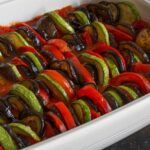
If you prefer light vegetable dishes, you should definitely try traditional Greek moussaka. It is a mixture of potatoes, aubergine, peppers, tomatoes and sometimes courgette, baked in an ovenproof dish. If you like cheese, you can grate some on top to taste. Feta, for example, works brilliantly.

If you like, you can also add minced meat, which livens up the dish nicely. Lamb is traditionally used, but you can use pork too.
Mexican cuisine
If you fancy something a little exotic and you are a lover of all things spicy, you will definitely love Mexican cuisine. That’s why we have chosen one idea for an unusual Sunday lunch.
19. Chilli con carne
Hot summer weather isn’t ideal for spicy food, but as autumn approaches, you will definitely enjoy this Mexican speciality. The dish is based on minced beef or lamb and chilli peppers, sometimes with tomatoes, beans or onions.

It is usually served with a slice of bread or other baked goods. Rice also goes very well with it. You can also make a vegan version by adding chickpeas and sweetcorn instead of meat.
Spanish cuisine
Spanish cuisine is a textbook example of Mediterranean cooking. Besides fish and seafood, people eat various pulses, tomatoes, peppers, potatoes and olives, which are grown on a large scale.
20. Paella
Paella is a very popular dish, especially in coastal resorts all along the Spanish coast. It is essentially a richer, oilier risotto. The base of the dish is rice, combined with various vegetables, fish, meat and seafood. It often combines whatever the fisherman happened to catch that day.

There is generally a distinction between paella valenciana, which contains some kind of meat, and marisco, which is based on fish or seafood. In restaurants, paella is usually served in large, hot pans.
21. Tortilla española
If you go out in the evening in Spain for tapas (or pinchos), you will certainly be offered the very popular potato omelette (in Spanish, tortilla de patatas or tortilla española).
It is an egg omelette with potatoes added, and possibly vegetables and herbs of your choice. It takes less than half an hour to make and is ideal as a light lunch.
What to cook when you don’t feel like cooking? A salad!
On hot summer days, a lunchtime salad is perhaps the best option. It is cold and light, and you won’t feel as stuffed as you would after a schnitzel, for example. Let’s take a look at some salads. You can find more salads in our article dedicated to summer salads.
22. Caesar salad
Caesar salad is a classic you can never go wrong with. Its great combination of flavours will please almost everyone at the table, and you will spend barely 30 minutes in the kitchen.

It is made from romaine lettuce, grilled chicken breast, croutons and grated Parmesan. The salad is then topped with a dressing of olive oil, garlic, pepper, lemon juice and, if you like, Worcestershire sauce.
23. Caprese salad
As you may have read in the chapter on Italian cuisine, Italians like to work with just a few ingredients, but always good-quality ones. The same goes for the popular Caprese salad.

It is made only from tomatoes, good-quality mozzarella and basil. The cheese and tomatoes are cut into slices and laid out side by side. Everything is then drizzled with olive oil and sprinkled with fresh basil.
Tip: If you want an even more intense flavour, try buffalo mozzarella instead of the regular kind. You will certainly taste the difference.
24. Grilled Camembert-style cheese with salad
When you are quite hungry but do not fancy anything heavy or filling, play it safe and have a salad with grilled Camembert-style cheese.

You can experiment with the salad as much as you like. The best choice, however, is to pick fresh vegetables from the garden and chop them onto a plate. If you want to intensify the flavour of the cheese, marinate it the day before in a mixture of spices and olive oil.
25. Beetroot salad with goat’s cheese
If you fancy experimenting a little, try a salad of beetroot and goat’s cheese. Again, it will take you no more than half an hour to make, and the result is definitely worth it.

As the name suggests, the main ingredients are cooked beetroot and fresh soft goat’s cheese. Drizzle the salad with a little olive oil and balsamic vinegar. Finally, you can sprinkle it with pine nuts or walnuts, for example.
Filling soups
When you cannot think what to cook for lunch and do not fancy anything big, try making just a large bowl of thick soup. Served with bread, a soup like this can replace a whole lunch. Don’t believe it? Give it a try!
26. Pumpkin soup
With autumn approaching, and pumpkin season along with it, it is good to have some tried-and-tested recipes to hand that will soon come in useful. One of them is a hearty, thick pumpkin soup.

It is most often made from butternut squash, but you can also use Hokkaido pumpkin. When serving, a spoonful of sour cream is added to the soup and lightly toasted pumpkin seeds are sprinkled on top. Pumpkin soup is a great autumn dish that you can season in lots of ways. Those who like it spicy can add chilli, pepper and garlic, for example.
Tip: Find out which are the best Hokkaido pumpkin recipes.
27. Pea soup
Head out to the garden, where green peas are just ripening. They make an excellent, healthy, thick summer soup. It is traditionally made with cream, which gives the soup a lovely creamy texture. You can also add pieces of fried bacon or sausage, or toasted croutons. A spoonful of sour cream stirred into the soup is also delicious.

28. Żurek
If you are still wondering what to cook and would like something a little different, try the traditional Polish soup żurek. It tastes a bit like Czech sauerkraut soup and a bit like Hodolany sauce.
The main ingredients are potatoes, sausage, smoked meat, sour cream and dried mushrooms. Even in Poland it is made in several variations, so you are sure to find many different recipes online. It is traditionally served with bread or other baked goods.
29. French onion soup
Probably the best-known French soup is onion soup. When you are wondering what to cook for lunch and do not feel like going shopping, this soup is the obvious choice. You can make it from ingredients you will usually find in your fridge anyway.

The base is onions and a strong chicken stock. Real onion soup also needs a generous amount of cheese. You will find several different recipes for this soup online, and some add mushrooms or cream, for example. The soup is traditionally served with a warm baguette.
30. Borscht
Did you know that borscht has its roots in Ukraine? Today you will find it in almost every restaurant, not only in Ukraine but also in Russia and Poland. In each country this delicious soup is made to a slightly different recipe, but we recommend the original Ukrainian one.

The base of the soup is, of course, beetroot and a beef or pork stock, plus plenty of other chopped vegetables. The beetroot gives borscht its traditional red colour. In Ukraine, it is served with a spoonful of sour cream, which makes it beautifully mild.
Bonus, steak
Steak is an extremely quick and fairly simple meal. We recommend serving steak with a baked potato or a wholemeal roll. If you want a balanced meal, add some vegetables such as tomato, pepper or delicious avocado, which you can also use to make a dip. When choosing the meat, do experiment. Pork neck is a classic, but you can also try flank or tenderloin.
What to cook? Something sweet!
Sometimes you get such a craving for something sweet that you have no choice but to give in to it. For exactly these moments, we have also chosen three sweet dishes that will take you back to your childhood.
31. Yeast dumplings with fruit
As we mentioned in the chapter on Czech cuisine, Czechs simply love dumplings. Fruit dumplings are no exception. The great thing is that dumplings let you use up seasonal fruit: strawberries in June, apricots in July, blueberries in August and plums in September, for example. The only limit is your imagination, so mix and match as you like!

They are best drizzled with melted butter and sprinkled with icing sugar. Some people swear by a topping of poppy seeds, while others sprinkle their dumplings with fried breadcrumbs.
Tip: Try making fruit dumplings with potato dough some time. Plum ones are the best.
32. Pancakes
Fluffy little pancakes drizzled with butter or maple syrup and topped with nuts or fresh fruit will delight almost anyone. There are countless recipes online for both healthier and less healthy versions of this popular dish.

If you follow a healthy lifestyle, read our article on healthy pancakes and get inspired by one of our recipes.
33. Sweet buns with custard
Our final recipe is sure to take you back to your childhood. These are buchtičky se šodó, small sweet buns with custard, which our grandmothers and great-grandmothers used to make.
This dish cannot really be skimped on or made lighter in any other way, and there are not many healthy recipes for it. But once in a while, it does no harm to really indulge. You will find the recipe for homemade sweet buns in the video.
If you are still wondering what to cook for lunch, take a look at the best Asian recipes.
What to cook for a quick lunch
On weekdays, time is what matters most. You can recognise a quick lunch by the fact that the side dish cooks at the same time as the main part, and nothing is baked or stewed for longer than twenty minutes. It helps to keep a supply of pasta, rice, eggs, frozen vegetables and tinned tomatoes at home.
You can make the following three dishes, from switching on the hob to serving, in roughly twenty to twenty-five minutes. For more inspiration, see our article on vegetarian meals in just a few minutes.
34. Chicken strips with vegetables and rice
Start by putting the rice on to cook, as it needs about fifteen minutes. Meanwhile, cut the chicken breasts into strips, season with salt and fry quickly over a high heat in a little oil. Add pepper, carrot or a frozen vegetable mix, drizzle with soy sauce and leave to finish cooking for a few minutes. The meat and rice will be ready at roughly the same time.
Chicken strips are one of the simplest chicken lunches. The meat is ready in five minutes, and you can vary the vegetables depending on what you have at home. For more side dish ideas, see our overview of the best lunches with rice.
35. Pasta with broccoli, garlic and cheese
Put the pasta into boiling salted water and add the broccoli florets to it three minutes before the end. Meanwhile, gently fry sliced garlic and a little chilli in olive oil in a frying pan.
Toss the drained pasta and broccoli with the garlic oil, a spoonful of the cooking water and a handful of grated cheese. Edam, Parmesan or Grana will do. Including heating the water, the dish is ready in about twenty minutes. The water with which it cooked from the pan
36. Garlic pork strips with mashed potatoes
For a quick pork lunch, a slice of leg or tenderloin works well, as both are ready in a few minutes. Cut it into thin strips and fry in hot fat, adding plenty of garlic and caraway seeds at the end. Choose cuts from the leg or tenderloin.
Put the potatoes for the mash on to cook first; cut into smaller cubes, they will soften within fifteen minutes. After draining, mash them with warm milk and butter. A cucumber or cabbage salad goes well with the dish.
Meat-free lunch ideas
A meat-free lunch doesn’t have to mean fried cheese. Pulses, eggs and dairy products provide protein and fill you up just as well as meat, only for less money. They also suit households where only part of the family eats meat.
Meat-free options among the tips already in this article include halušky with bryndza cheese, tortilla española, beetroot salad with goat’s cheese and pumpkin soup. For more ideas, see our overview of healthy meat-free recipes.
37. Chickpea curry with spinach
Fry onion, garlic and a tablespoon of curry powder in oil. Add drained chickpeas from a tin and a tin of tomatoes, and let it simmer for ten minutes. Finally, stir in a handful of fresh or frozen spinach and a little coconut milk or cream.
Serve with rice or flatbread. Curry tastes even better the next day, so it also works as a lunch for two days.
38. Potato pancakes with coleslaw
Squeeze the water out of grated potatoes, then add egg, a little plain flour, garlic, marjoram and salt. Fry thin pancakes until golden and let them drain on kitchen paper.
This is one of the cheapest Czech dishes of all. To keep lunch from being too heavy, serve the potato pancakes with a fresh salad of white cabbage and carrot with a vinegar and oil dressing.
What to cook when money is tight
The cheapest lunches are built on ingredients that keep well in the cupboard, such as pulses, grains, potatoes, eggs and seasonal vegetables. Meat can be used just for flavour, for example a piece of smoked meat in a soup or sauce.
It also helps to plan your shopping around special offers and to cook several meals from one base. You will find practical advice in the articles how to save on food and still eat healthily and recipes for healthy and cheap meals.
39. Pearl barley risotto with mushrooms
Rinse the pearl barley and cook it like risotto. First fry it briefly with onion, then gradually add stock for about forty minutes until it softens. Soaking it overnight shortens the time. Add fresh mushrooms or soaked dried ones, and finish with a knob of butter and grated cheese.
Pearl barley is several times cheaper than arborio rice and has significantly more fibre. The article pearl barley, the healthy grain from our grandmothers’ menus explains why it deserves a place in your diet.
40. Eggs in tomato sauce
This is the answer to the question of what to cook when there is nothing in the house. All you need is eggs and a tin of tomatoes, with onion and pepper as a bonus. Fry them in a pan, add the tomatoes, salt, cumin and ground paprika, and let the sauce thicken. Then make hollows, crack the eggs into them and let them finish cooking under a lid for five minutes.
The dish comes from North Africa, most likely from Tunisia, and today the whole world knows it as shakshuka. It is served with bread to mop up the sauce, so you don’t need any other side dish.
What to cook with autumn root vegetables and potatoes
Late October and November are the season for carrots, parsley root, celeriac and potatoes, because these vegetables ripen at this time of year and keep for weeks in the cold. A bake of mixed root vegetables cooks in the oven without you standing over the hob, so you can easily make a whole lunch from the autumn harvest.
Potatoes also provide energy for little money and keep for months in the pantry. The article potatoes and how they benefit our health explains why it makes sense to eat them regularly.
41. Roasted root vegetables with potatoes and herbs
Cut carrots, parsley root, celeriac and potatoes into cubes of a similar size, season with salt, drizzle with oil and toss with thyme or rosemary. Spread them on a baking tray in a single layer so the vegetables roast rather than steam.
In an oven preheated to 200 degrees, they are ready in forty minutes. Stir them once at the halfway point. They go well with meat or as a meat-free lunch on their own with a piece of cheese on top.
What to cook with autumn cabbage
Cabbage is one of the ingredients that keep for a long time in the cold, so you can have it in stock for several meals. Sauerkraut just needs opening and the meal is ready in no time, while white and round-headed cabbage suit soups or braising.
Both kinds of cabbage pair well with potatoes and smoked meat, so from one head you can cook lunch for several days.
42. Sauerkraut soup with potatoes
Fry onion and a little plain flour in oil to make a light roux, pour in stock and stir in sauerkraut with a little of its brine. Add diced potato and smoked meat or sausage.
Cook the soup until the potato softens, and season with ground caraway and a bay leaf. It tastes stronger the next day than straight after cooking, so it is worth making a bigger pot.
What to cook with autumn mushrooms
Mushroom season continues into autumn, and even button mushrooms or oyster mushrooms bought from the shop give lunch a strong flavour in just a few minutes of cooking. Mushrooms should not be soaked in water beforehand. Just clean them with a brush or rinse them briefly and dry them straight away.
For more ideas on how to cook mushrooms, see our overview of recipes with oyster mushrooms.
43. Mushroom sauce with potatoes
Fry sliced mushrooms with onion and a little butter, pour in stock or milk and thicken with a tablespoon of plain flour mixed into cold water. Season with salt and pepper, and add marjoram only at the end.
The sauce is ready within twenty minutes and goes well with boiled potatoes or dumplings. Simply reheat any leftovers the next day, as it won’t spoil the flavour of the mushrooms.
What to cook with autumn apples
Apples ripen mainly in September and in October and are among the fruits that can be stored for later. According to the US Department of Agriculture (USDA), whole apples keep for four to six weeks in the fridge at around 4 degrees, much longer than on the worktop in the kitchen.
At lunch they make a light sweet finish, especially when you have more than you can eat raw.
44. Baked apples with oats and cinnamon
Core the apples and fill them with a mixture of oats, cinnamon and a little honey or maple syrup. Place them on a baking tray with a little water in the bottom.
Bake at 180 degrees for about twenty-five minutes, until soft. Serve warm with a spoonful of yoghurt or quark, or even as a light lunch on a day when you don’t need much.
What to cook for children’s lunch
Children usually like dishes in which they can recognise the individual ingredients. Pasta with a simple sauce, risotto, chicken nuggets baked in the oven, pancakes and fruit dumplings tend to work well. It is easier to sneak vegetables into soup or sauce when they are blended.
It helps if children can season or assemble part of the meal themselves, such as a tortilla or a plate of vegetables cut into strips. You will find more ideas in the article 10 tips for tasty and healthy meals for children.
What a balanced lunch should look like
A simple guide is the Healthy Eating Plate model, developed by experts from the Harvard School of Public Health. According to it, half of the plate should be vegetables and fruit, a quarter wholegrains such as wholemeal bread, brown rice or wholewheat pasta, and a quarter good-quality protein such as fish, poultry, pulses or eggs. Most of the vegetable and fruit half should be vegetables, and potatoes do not count towards it.
The World Health Organization recommends eating at least 400 grams of fruit and vegetables a day and keeping salt below 5 grams, which is roughly one teaspoon. At lunch you can easily add one portion of vegetables. Just add a salad or a portion of steamed vegetables to any dish from this article.
How to plan what to cook for the whole week
It is not the cooking that takes the most time, but the decision-making. If you write a list of meals for the whole week once a week, you can do one big shop and then simply cook each lunchtime. It works well to alternate meat, pulses and meat-free dishes, and to include soup as a main course once a week. This is what a list of meals for one week might look like, put together from the tips in this article.
- Monday. Sour lentils with sausage or egg.
- Tuesday. Chicken strips with vegetables and rice.
- Wednesday. Pasta with broccoli, garlic and Parmesan.
- Thursday. Stuffed peppers with tomato sauce, cooked for two days.
- Friday. Pumpkin or pea soup and yeast dumplings with fruit.
- Weekend. Trout in butter, schnitzel with potato salad or moussaka for the whole family.
If you cook lunch for two days, divide the leftovers into shallow containers and put them in the fridge within two hours, even while still warm. The US Department of Agriculture recommends eating cooked food from the fridge within three to four days. Dishes with sauce, soups, goulash and curry reheat best. Freeze anything you won’t eat by then, as it keeps for three to four months in the freezer.
Packed lunch for work
The best dishes for a lunchbox are those that taste the same or better the next day. From the tips in this article, these are sour lentils, chili con carne, chickpea curry, lasagne, stuffed peppers and pearl barley risotto. Fried dishes and pasta with a thin sauce are less suitable, as they go soggy in the box.
Pack salad and dressing separately and add them just before eating. If you don’t have a microwave at work, go for cold salads with pulses, couscous or pasta, which keep for a few hours outside the fridge in a cool bag.
For a longer-term plan, see our guide on how to create a healthy meal plan for a month. If you don’t want to cook every day, you’ll also find practical advice in the bonus tips below.
Bonus tips if you don’t want to spend too much time in the kitchen
How can you easily avoid spending hours in the kitchen and always have something to hand that you can prepare, without too much repetition, while keeping it tasty and healthy?
1. Keep favourite ingredients that you can easily swap around.
Many dishes can be made more interesting simply by swapping one of their ingredients. Do you like risotto? Don’t be afraid to replace the rice with pearl barley, buckwheat, quinoa or even couscous. It will be the same, yet different. Because you know the recipe, you’ll have everything cooked quickly and still enjoy the new variation.
In the same way, you can use rice, corn or konjac pasta instead of ordinary pasta. You can replace meat with a substitute such as soy meat or tofu. You can also vary your favourite vegetables.
Thanks to these relatively small changes, you’ll get a surprising number of new combinations and you’ll never again have to think long and hard about what to cook.
2. Prepare a base meal that you can eat for several days.
If you don’t insist on having freshly cooked food every time, try preparing a base that you simply vary each day. You can make a cream sauce and have it with pasta one day, with potatoes the next, and on the third day, if there’s any left, with red lentils, for example.
Similarly, you can cook a pot of rice, as is common in Asian countries, and stir in different vegetables each day. One day you can have risotto with broccoli and the next, for example, with sweetcorn, peas and carrots.
3. Use frozen vegetables.
Preparation often takes up most of the cooking time, especially vegetables, which need to be cleaned and then chopped. Frozen vegetables contain no preservatives and there’s no need to worry about them from a health point of view. If you always have some frozen vegetables in the freezer, you’ll never struggle with what to cook. Buckwheat with broccoli and cream sauce, for example, is delicious, can be eaten for several days and is easy to vary.
4. Make extra food that you can freeze.
When you’re making a dish that takes some effort, make more of it and freeze the extra portions. You’ll make better use of the time you’re spending in the kitchen anyway, and next time you don’t know what to have for lunch, you’ll only need to reach into the freezer. Side dishes are usually not worth freezing, but everything else survives freezing with ease. And homemade svíčková (beef sirloin in cream sauce) for a Wednesday lunch with no cooking isn’t bad at all. You’ll only need to heat up the dumplings and defrost the sauce.
5. Don’t be afraid to experiment.
If you come across a new food in the shop, don’t be afraid to try it. It may well help you expand the range of dishes you know. Try reaching for Job’s tears, even if it means nothing to you. Chances are you’ll enjoy it on its own, but perhaps also combined with rice or semolina. You can combine it with buckwheat or quinoa, or use it instead of them. Have it sweet with poppy seeds or savoury with tomato sauce.
Every ingredient like this that you add to your diet will enrich and expand it, and what’s more, you won’t even have to look for new recipes, as you can easily use the ones you already know.

