
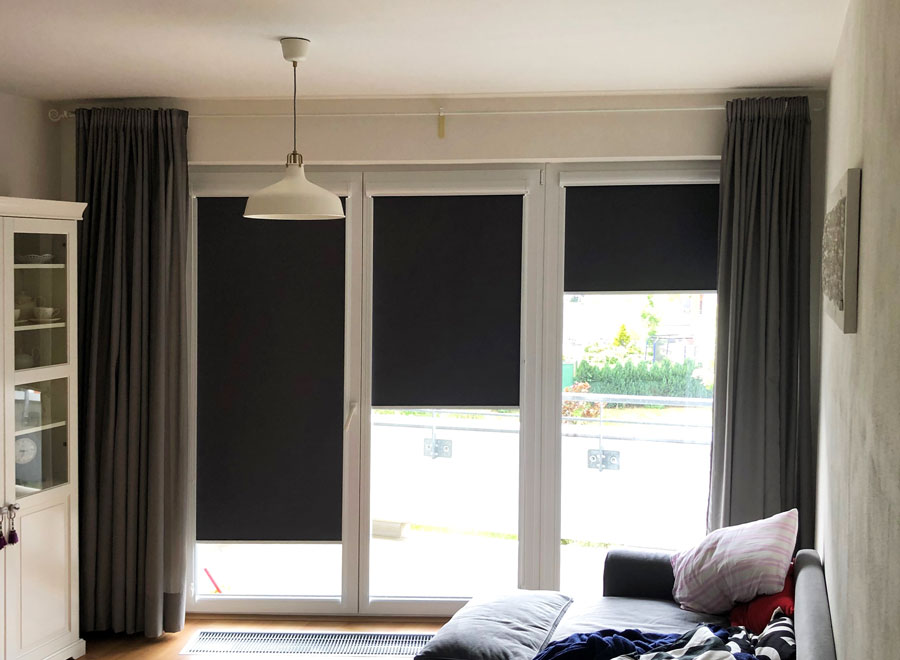
Do you wake up several times a night, toss and turn constantly and get up in the morning with no energy? There can be many causes, but one of the most common is too much light in the bedroom. The solution is often surprisingly simple: get window coverings that block light completely or let in only a minimum.
Don’t worry, you are not alone. More and more people struggle with sleep problems caused (not only) by light in the bedroom. What matters is not to give up and to look for a solution, including options other than buying a better mattress and pillow.
Light is one of sleep’s biggest enemies
According to the World Health Organization, around 1 in 3 adults worldwide do not get enough sleep. Yes, that is a full third, which is a huge number given how important sleep is in our lives.
Changing lifestyles and more stress than ever play a part, but so, to a large extent, does too much light in the rooms where we sleep.
We don’t just mean using mobile phones, tablets and other electronics before bed, but also the light pollution “out there” beyond the windows.
And no, going to bed after dark is far from enough, because even when it is dark outside, street lamps, light from the neighbours and other light pollution disrupt sleep.
Why net curtains, blinds and standard roller blinds are not enough
Most bedroom windows have venetian blinds (often very cheap ones), translucent roller blinds or even just net curtains. This may be enough to partly shade the room during the day, but it is not enough for a restful night’s sleep.
Light gets into the room either directly through the covering itself, between the slats of the blinds, or around the edges, where small gaps form. In other words, not every window covering is suitable for use both day and night.
Roof windows in loft rooms, especially those directly above the bed, are particularly prone to letting in light. If you fit them only with standard blinds or a translucent roller blind, at least some light will always get into the bedroom at night.
So how can you beat light pollution from the street? The simplest and most effective solution is to fit blackout coverings on your bedroom windows.
Blackout roller blinds or blackout pleated blinds will give you complete darkness
If you conclude (ideally after consulting a specialist) that too much light in the bedroom is behind your poor sleep, it makes sense to replace your window coverings as soon as possible with ones that are opaque or only minimally translucent.
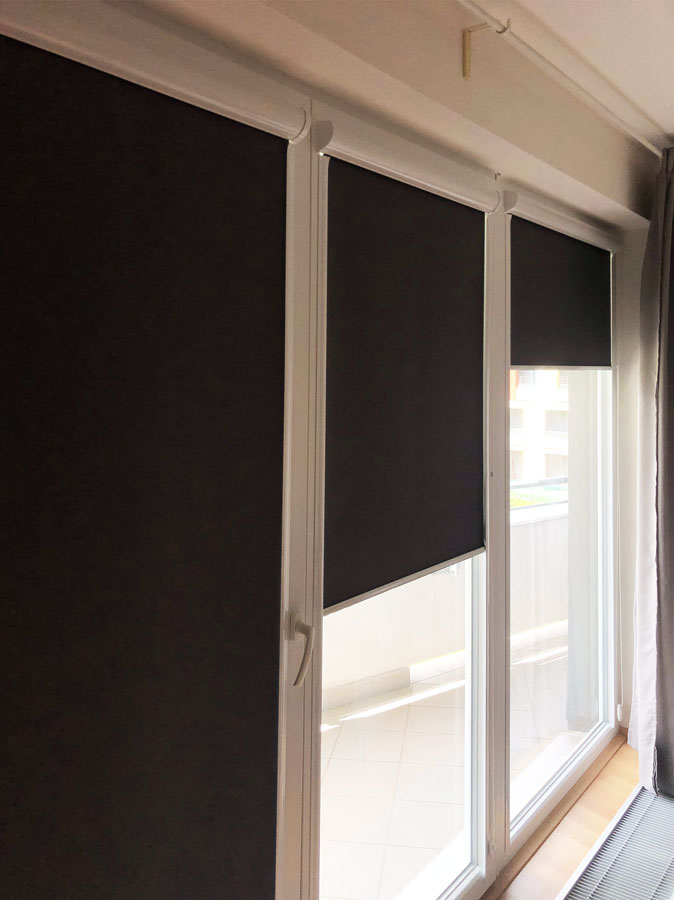
If you prefer total darkness, your best option is blackout roller blinds. Not a single ray of light gets through them, day or night, and because they are installed directly on the window, they darken every millimetre of glass, including the edges.
They are typically made of rubber-coated fabric in a colour of your choice.
The second option is blackout pleated blinds, which shade windows or doors almost as well as blackout roller blinds. Unlike them, however, they are made of antistatic fabric folded like an accordion, and they are a very popular alternative to standard venetian and roller blinds.
The fabric of blackout pleated blinds can be drawn and raised in both directions, that is, up and down. This means you can create total darkness at night and translucent strips anywhere on the glass during the day.
If you would like to go for a compromise, try day and night pleated blinds, which consist of two pleated blinds: one is light and translucent and the other is dark and fully blackout.
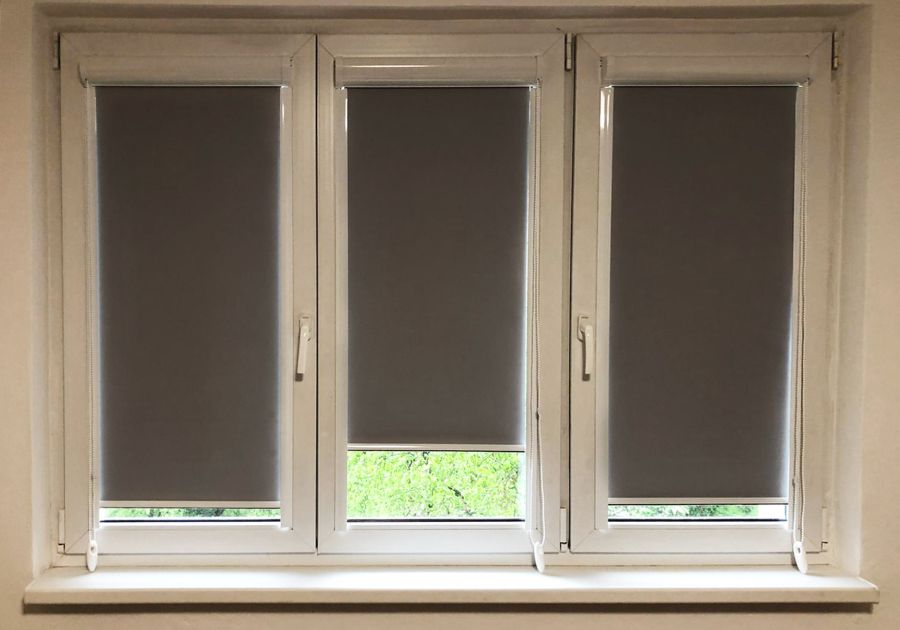
And one more tip: have your window coverings made to measure. A perfectly fitting solution prevents gaps that would let light through.
What else can affect the quality of your sleep?
Light is of course not necessarily the only cause of poor sleep. Apart from health problems, which should be dealt with by a specialist as soon as possible, other common reasons include:
- unusual temperature in the bedroom (e.g. summer heat)
- noise outside the windows, especially for people living in cities (in these cases, external coverings that reduce noise are worth it)
- using mobile phones and other electronics before bed
- an irregular sleep schedule
If you decide to fight for better sleep by buying blackout window coverings, we hope you choose the right ones. Ideally, ask the manufacturer or seller for advice so you don’t make a mistake.

