
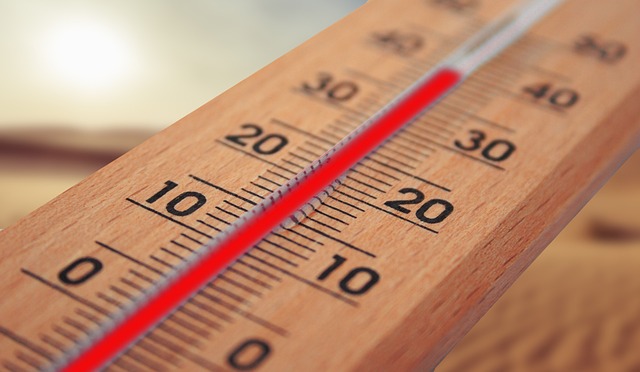
Some of you may be puzzling over what the ideal room temperature actually is. For some people, answering this question is a real challenge, perhaps even a superhuman feat. In reality, it is not that complicated. You just need to follow a few basic factors.
The ideal temperature in your home, the one at which you feel most comfortable, naturally depends on your personal preferences. However, there are a few principles to follow if you want to keep your energy bills as low as possible or do something extra for your health. Yes, even the temperature of the rooms you live in can affect your health.
You already know that many factors affect how warm a room needs to be. In this article, you will learn how to heat every space in your home to its ideal temperature depending on different circumstances.
If you sleep on an upholstered bed, you will appreciate a pleasant bedroom climate twice as much, because the material retains heat and adds to the overall feeling of comfort. You can find beds like these, made from pleasant materials, at AmiNábytek.cz.

Temperature by room
Most people will probably feel comfortable in a room heated to between 18–22 °C.
However, every room in a house has its own specific purpose, and you simply spend more time in some rooms than in others. Rather than heating your whole house or flat to the same temperature, you should consider setting your radiators so that they heat each room to a level that suits its purpose.
If, for example, you have a baby or young children, you will certainly want to make sure their room is healthy for them and suits their age and the season. In a young child’s room, the temperature should be between 16–20 °C. Above all, remember this, because overheating in young children can have terrible consequences.
Similarly, if older guests visit you during the colder months, you should keep their rooms at a constant temperature of at least 18 °C. This way, you will not increase the risk of certain health complications that older people are more prone to, or that they may unfortunately already have. Room temperature can affect some health complications too.
The temperature of living rooms and home offices should be between 20–22 °C, because these are the spaces where people usually spend most of their time. After all, you prefer to relax on your own or chat with family or friends in the living room, and when you work from home, you work in your own workspace. The same temperature applies to bathrooms, so that you can shower or bathe comfortably without catching a chill or overheating.
Kitchens involve more activity as you move around while cooking and baking. Among other things, these activities also warm the room more. That is why you should keep kitchens at lower temperatures of around 18–20 °C.
Bedrooms should be relatively cooler, between 16 and 19 °C. Our body temperature drops during sleep, and a cool room can help our internal temperature regulation. You will see for yourself that you sleep much better in a well-aired room with a lower temperature.
Any spaces where people spend less time, such as hallways, cellars and attics, can be cooler than regular living areas. Aiming for temperatures between 15 and 18 °C in these rooms can also help you save on your heating bills. And these days, everyone appreciates that.
For a better overview, the following table shows the recommended temperature for each room in your house or flat. These are ideal ranges in which most people will feel comfortable.
| Room type | Ideal temperature |
| Hallways, cellars, attics | 15–18 °C |
| Bedroom | 16–19 °C |
| Children’s room | 16–20 °C |
| Kitchen | 18–20 °C |
| Living room | 20–22 °C |
| Study/home office | 20–22 °C |
| Bathroom | 20–22 °C |
As you can see, not every room needs to be heated to the same level. By turning down the radiators in places such as hallways or storage areas, you can significantly reduce your energy consumption. This in turn will help lower both your monthly costs and your carbon footprint.
Temperature by season
Many people also want to know what to do about room temperature in different seasons. Room temperature should suit everyone all year round. Whether it is summer or winter, you should try to keep rooms at around 18–20 °C.
If, for example, summer weather means outdoor temperatures rise above 20 °C, you may need to take some steps to cool your rooms. You can do this by opening windows and doors, or by getting a fan or air conditioning. Of course, not everyone can afford such equipment, and sometimes airing through windows or doors alone is not enough. In that case, simply do whatever you can at the time.
In the winter months, a temperature between 18 and 20 °C should also feel comfortable. However, assuming outdoor temperatures are below zero, you will probably need to have the heating on constantly or very often throughout the day. This will create enough warmth at home for the whole family.
Temperature for health
You should know that room temperature can also harm your health. A home environment that is too hot or too cold can cause various health problems. This is especially important if you have young children or live with older relatives.
According to World Health Organization guidelines, 18 °C is the average temperature that best supports good health. Of course, this is an average, and everyone then has to adjust it to suit themselves, how they feel and their state of health.
The following table can serve as a guide to help you avoid any health risks. It shows which temperatures you should avoid and how to set the temperature safely depending on who is at home.
| Temperature | Recommendation |
| 24–27 °C | Too hot: Lower the temperature. This could be dangerous for people with heart problems. |
| 18–21 °C | Comfortable: The ideal temperature for most people. |
| 15–16 °C | Cool: Can be dangerous for people with breathing problems, as it increases the risk of infection. |
| 9–12 °C | Too cold: Very dangerous for people with health problems. Increased risk of hypothermia. |
As already mentioned, however, a comfortable temperature is not the same in every room, as it varies depending on how the room is used and how much time is spent in it. With the right temperature in all the spaces of your home, you will feel good at home while also reducing your heating costs and your impact on the environment.
What if you are not at home?
The ideal room temperature when you are not at home depends on how long you will be away.
- During the day, when you are at work or school and nobody else is at home, set the heating so that the temperature does not drop by more than a few degrees.
- If you are going away for a few weeks and turn the heating off completely, the temperature will drop sharply. This can lead to problems with damp. While you are away, set your thermostat to a moderate temperature, for example 14 degrees.
Of course, it also depends on the time of year and on where you live. The situation in flats is different from that in family houses.

The ideal room temperature may vary slightly for everyone, but choosing between 18–22 °C should keep your home healthy and comfortable. Everyone reacts differently depending on their age, health and seasonal changes, but everyone should be happy when each room is heated to the right level to suit its purpose.

